Understanding Non-Surgical Aesthetic Treatments
Learn about non-surgical aesthetic treatments like dermal fillers, botulinum toxin, and thread lifts. Understand what they can achieve, how they work, and potential risks.
Understanding Non-Surgical Aesthetic Treatments
Medically reviewed by Dr. Nayim Karadogan · Last reviewed September 4, 2026 · 7 min read
Many people consider non-surgical aesthetic treatments to improve their appearance. These treatments aim to enhance your features or address signs of aging without requiring surgery.
This article explains common non-surgical options. It describes what they do, who they are for, and what to expect. You will learn about the process, possible risks, and how to choose the right treatment with a qualified doctor.
What these treatments can and cannot change
Non-surgical aesthetic treatments can improve skin texture, reduce the look of wrinkles, restore lost volume, and refine facial contours. They can make you look refreshed and more youthful.
These treatments offer noticeable changes, but they cannot give the dramatic results of surgery. For example, a non-surgical treatment cannot remove large amounts of loose skin or significantly alter bone structure. It is important to have realistic expectations about what can be achieved.
The main treatments
Botulinum Toxin
Botulinum toxin is a purified protein that temporarily relaxes muscles. It is commonly known by a brand name, Botox. A qualified doctor injects small amounts into specific facial muscles.
This treatment helps smooth out dynamic wrinkles, which are lines that appear when you make facial expressions. These include frown lines between the eyebrows, crow's feet around the eyes, and forehead lines. It is suitable for people with mild to moderate dynamic wrinkles who want to soften their appearance.
Dermal Fillers
Dermal fillers are gel-like substances injected beneath the skin to restore lost volume, smooth lines, and enhance facial contours. Most dermal fillers are based on hyaluronic acid, a substance naturally found in the body.
Fillers can reduce static wrinkles (lines visible even when your face is at rest), plump lips, fill hollows under the eyes, and define cheekbones or jawlines. They suit those experiencing volume loss or deep folds, or who wish for subtle shape changes in their face.
Mesotherapy
Mesotherapy involves giving many small injections of vitamins, enzymes, hormones, or plant extracts directly into the skin. These injections aim to deliver active ingredients to the deeper layers of the skin.
This treatment can improve skin quality, hydration, and overall radiance. It may also help with minor fat reduction or hair loss, depending on the ingredients used. Mesotherapy suits people looking for skin rejuvenation or targeted improvements.
Fat-Dissolving Injections
Fat-dissolving injections, also known as lipolysis injections, use a solution to break down fat cells in specific areas. The body then naturally removes these broken-down cells.
These injections are for reducing small, stubborn pockets of fat that are resistant to diet and exercise. Common treatment areas include under the chin, inner thighs, or love handles. This treatment is not for significant weight loss.
Thread Lifts
A thread lift uses dissolvable sutures, often made of Polydioxanone (PDO), to lift and tighten sagging skin. A qualified doctor inserts these threads under the skin, which then gently pull the skin upwards.
The threads also encourage the body to produce new collagen, which can improve skin firmness over time. Thread lifts suit people with mild to moderate skin laxity who want a subtle facial lift without surgery.
Platelet-Rich Plasma (PRP)
Platelet-rich plasma (PRP) treatment uses a patient's own blood to promote healing and rejuvenation. A qualified doctor takes a small sample of blood, processes it to concentrate the platelets, and then injects the PRP back into the treatment area.
PRP can stimulate collagen production, improve skin texture, reduce fine lines, and encourage hair growth. It suits those seeking natural rejuvenation or treatment for certain types of hair loss.
How do you choose between them?
Choosing the right non-surgical aesthetic treatment begins with a consultation. During this meeting, a qualified doctor will discuss your aesthetic goals and examine your skin and facial structure.
They will also review your medical history to ensure the treatment is safe for you. The doctor will explain which options best suit your needs and what results you can realistically expect. Only a doctor can advise you on the best treatment plan for your unique situation.
What happens at an appointment?
The Consultation
Before any treatment, you will have a detailed consultation. The doctor will ask about your desired outcomes and any medical conditions you have. They will explain the chosen treatment, its benefits, and any potential risks.
This is your chance to ask any questions you have. You should feel fully informed and comfortable before proceeding.
The Treatment Session
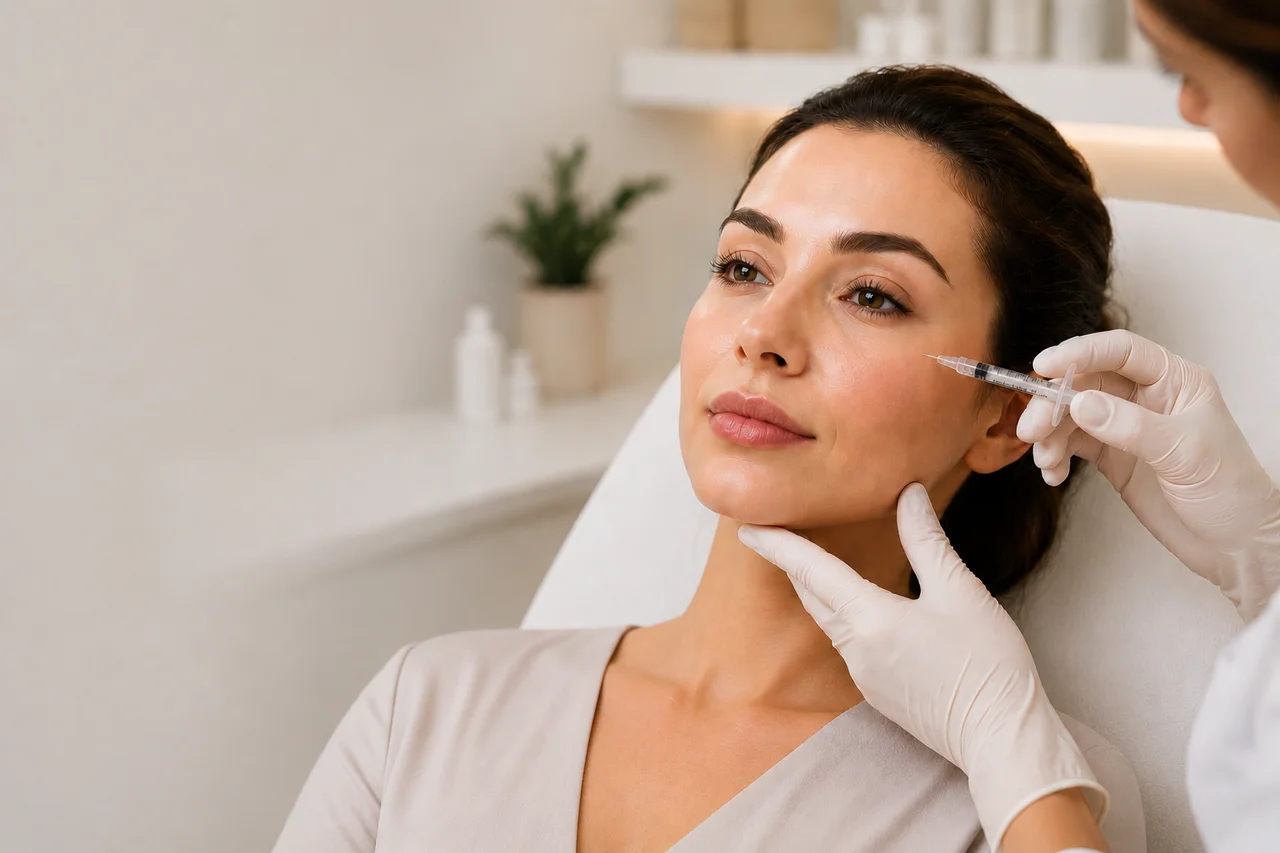
On the day of your treatment, the qualified doctor will clean the treatment area. They may apply a topical anesthetic, which is a numbing cream, to minimize discomfort.
Depending on the treatment, the doctor will use fine needles or a blunt tube called a cannula to deliver the product. The process is usually quick. Afterward, ice may be applied to reduce swelling and bruising at the injection site.
After the Treatment
After your treatment, the doctor or clinic staff will give you specific aftercare instructions. This includes what to do and what to avoid in the days following the procedure.
You may experience some mild swelling, bruising, or redness at the injection site. These effects usually go away within a few days. Follow all aftercare advice to help ensure the best results and reduce risks.
What are the risks and limits?
All non-surgical aesthetic treatments carry some risks, though serious problems are rare. Common side effects include temporary swelling, bruising, redness, and tenderness at the injection site. These usually resolve on their own.
Less common risks can include infection, asymmetry (unevenness), or the formation of nodules, which are small firm lumps under the skin. For dermal fillers, a rare but serious risk is vascular occlusion, where the filler blocks a blood vessel. This needs urgent medical care. Another rare risk with fillers is filler migration, where the filler moves away from where it was placed.
Warning signs that mean calling the clinic the same day include severe pain, skin discoloration (such as skin turning white, mottled, or dusky), or any changes in vision. These could signal a serious complication. Certain medical conditions or pregnancy can be a contraindication, which is a medical reason not to have the treatment. Always discuss your full medical history with your doctor.
Frequently asked questions
Are these treatments painful?
Most patients report only mild discomfort during treatment. Many treatments use very fine needles, and a topical anesthetic (numbing cream) can be applied beforehand to make the experience more comfortable. Some products also contain a numbing agent.
How long is the downtime?
Downtime, which is the time before you can return to your normal activities, varies by treatment and individual. Many non-surgical treatments have minimal downtime. You might experience some temporary bruising or swelling, which usually subsides within a few days. You can often go back to most activities right away.
Are the results permanent?
No, the results of non-surgical aesthetic treatments are temporary. The effects gradually fade over time as the body naturally breaks down the injected substances. You will usually need top-up sessions to maintain your results. Your doctor will discuss when a top-up session is typically needed.
Can I combine different treatments?
Yes, it is often possible to combine different non-surgical treatments to achieve a more complete result. For example, some people have botulinum toxin for wrinkles and dermal fillers for volume. A qualified doctor will assess your needs during a consultation and suggest a suitable combination if appropriate.
What is a contraindication?
A contraindication is a medical reason why a specific treatment should not be performed. Examples include pregnancy, breastfeeding, certain allergies, active skin infections in the treatment area, or specific medical conditions. Your qualified doctor will discuss any contraindications during your consultation to ensure your safety.