

Hair Transplant Clinic in Istanbul — FUE, DHI and Sapphire
Advanced FUE, DHI and Sapphire techniques for natural-looking results on hair, beard and brows.
About the treatment
Hair loss reduces density over time and can push the hairline back, which affects both appearance and confidence. A hair transplant is a hair restoration procedure that aims to rebuild the density lost to shedding, using the person's own follicles.
At Oktay Tuney Clinic, hair transplant treatments are planned individually, based on the type of hair loss, current density, the capacity of the donor area, facial proportions and the person's own expectations. Techniques such as FUE, DHI and Sapphire are assessed according to the area being treated and the result being aimed for. The goal is not only to increase density, but to form a natural-looking hairline that suits the face.
Who Is a Hair Transplant Suitable For?
A hair transplant is not, on its own, the right answer to every kind of hair loss. These are the main situations in which it may be considered:
- Male pattern hair loss
- A receding hairline
- Thinning at the crown
- A general reduction in hair density
- Certain types of female pattern hair loss
- Correction of a previous hair transplant
- Eyebrow and beard restoration
Suitability is determined after an examination, an assessment of the donor area and, where indicated, further investigation. If there is an underlying medical cause for the hair loss, that may need to be addressed before a transplant is considered.
Hair Transplant Techniques: FUE, DHI and Sapphire
It would not be accurate to say that one technique is the best choice for everyone. The appropriate method is determined by hair structure, the type of loss, donor capacity and the result being aimed for.
FUE Hair Transplant
In the FUE technique, follicles are harvested individually from the donor area and transferred to the areas that need them. It is widely used where a natural-looking result is the goal, and can allow larger areas to be planned for.
More detail: FUE Hair Transplant →DHI Hair Transplant
DHI places the harvested grafts directly, using a specialised implanter pen. It may be considered where density needs to be added between existing hairs and where more controlled implantation is wanted.
More detail: DHI Hair Transplant →Sapphire Hair Transplant
The Sapphire technique uses sapphire-tipped instruments when opening the channels. Because the direction, angle and distribution of those channels shape how natural the result looks, this stage is an important part of the planning.
More detail: Sapphire Hair Transplant →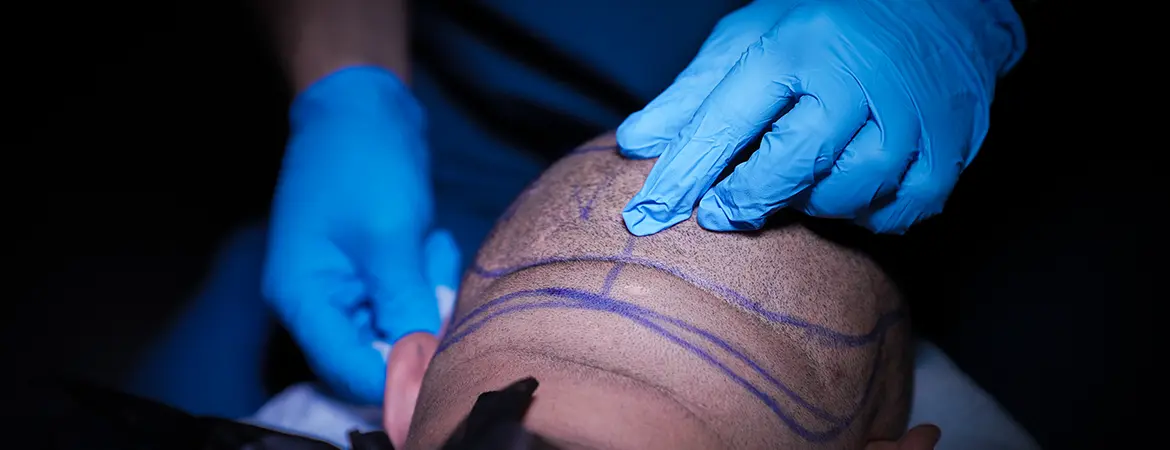
FUE Hair Transplant
Learn More →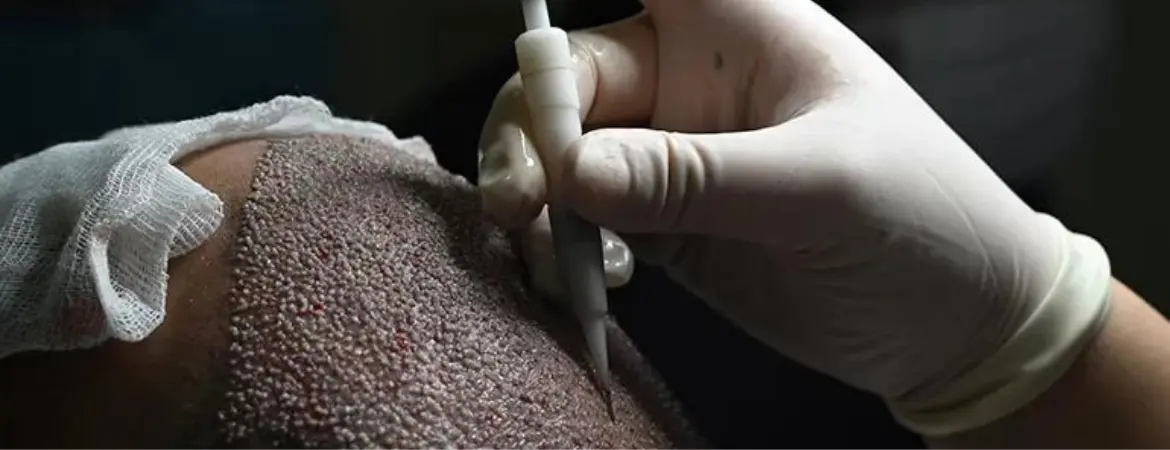
DHI Hair Transplant
Learn More →
Sapphire Hair Transplant
Learn More →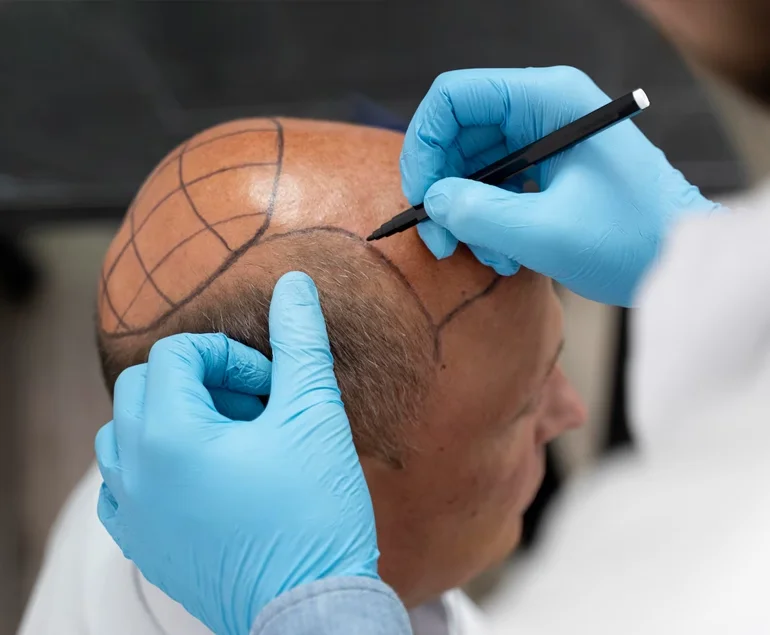
Hair Transplant
Learn More →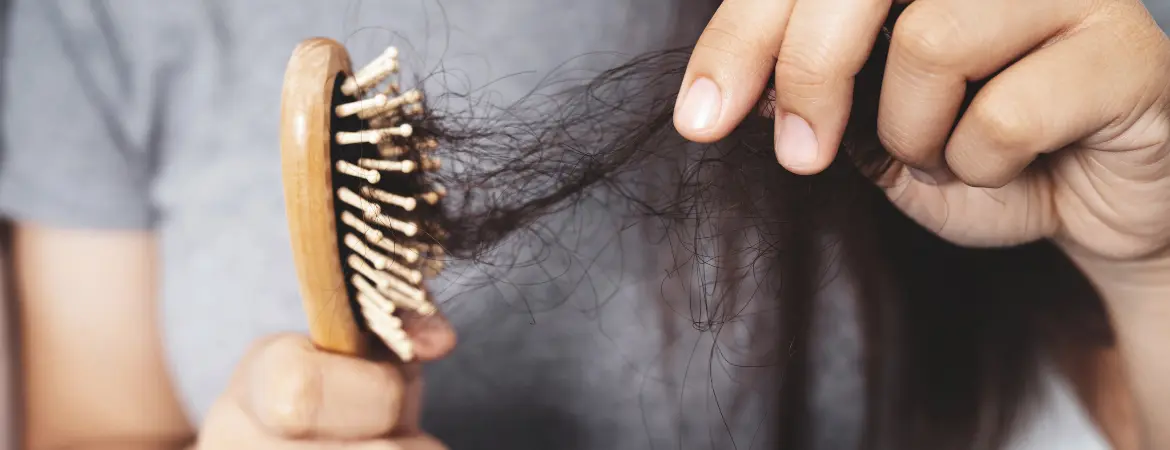
Hair Loss
Learn More →
Care After Hair Transplant
Learn More →
Painless Anesthesia
Learn More →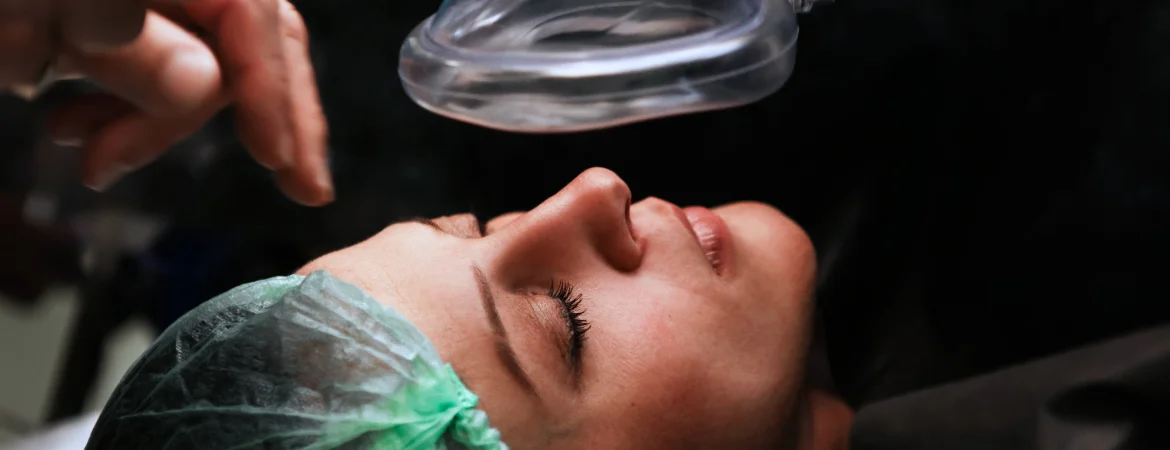
Sedation Anesthesia
Learn More →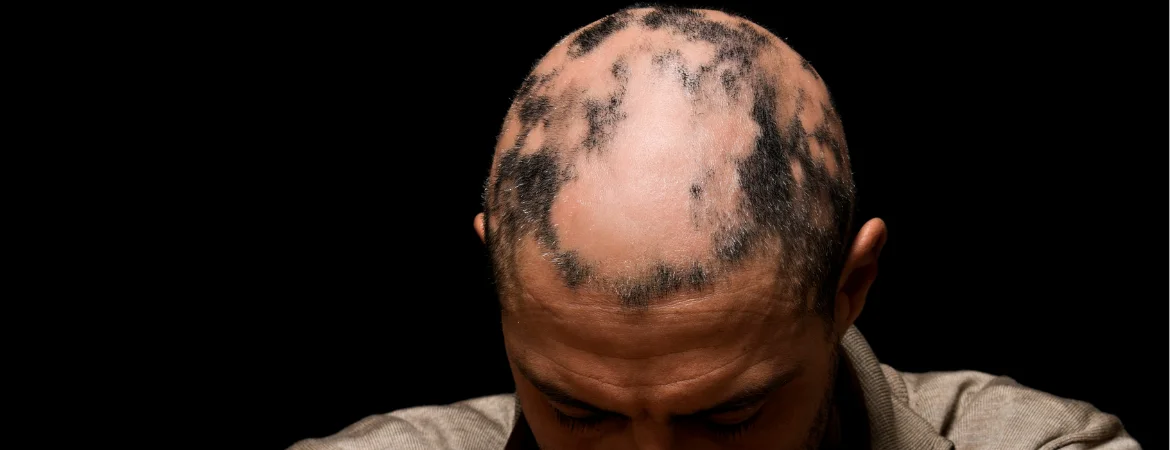
Alopecia
Learn More →How it works
- 1
Consultation and Hair Analysis
The type of hair loss, current density, the condition of the donor area and the person's expectations are assessed. Medical history and how the loss has progressed are also reviewed at this stage.
- 2
Individual Planning
The hairline, the area to be treated and the estimated graft requirement are established. Facial proportions, existing hair structure and protecting the donor area over the long term are weighed together.
- 3
The Procedure
Following the chosen technique, follicles are harvested, prepared and placed in the planned areas. The procedure is carried out at our clinic by Oktay Tuney and the team.
- 4
Recovery and Follow-up
Aftercare guidance is shared and recovery is followed through scheduled check-ups. Assessing the result is a process that unfolds over time.
Recovery and Results After a Hair Transplant
Results after a hair transplant emerge gradually. In the first days, redness, tenderness or crusting may be seen in the treated area. In the weeks that follow, the transplanted hairs may shed temporarily; this is one of the expected stages after a hair transplant.
How new hair develops varies from person to person, but the result becomes clearer over time. For that reason, a hair transplant should be judged not only by the day of the procedure but by the aftercare and follow-up that come with it.
Why Individual Planning Matters for a Natural Result
One of the things that most determines the outcome of a hair transplant is the planning done before it. Individual planning takes account of:
- That no two patterns of hair loss follow the same course
- That donor capacity differs from person to person
- Setting the hairline according to facial proportions
- Placing grafts at natural angles and directions
- Protecting the existing hair
- Not taking more grafts from the donor area than necessary
This approach aims both at a result that looks natural and at preserving the donor area over the long term.
Hair Transplantation at Our Clinic in Beşiktaş
Our clinic is in the Dikilitaş neighbourhood of Beşiktaş — a short walk from Fulya station on the M7 metro line, and a few minutes by car from Nişantaşı, Mecidiyeköy, Şişli and Levent.
Appointments run Monday to Saturday, 09:00–18:00. The first consultation is free: we look at how your hair loss has progressed and at your donor area, then discuss whether the procedure suits you and which technique might be considered.
If you are travelling from another city or from abroad, we can hold a preliminary consultation by WhatsApp or phone under our International Health Tourism Authorisation Certificate and plan the visit together.
Frequently asked questions
Is a hair transplant permanent?
Because a hair transplant uses the person's own follicles, long-lasting results are the aim in suitable candidates. The outcome can still vary according to individual characteristics, the nature of the donor area and how the hair loss continues to progress.
How long does a hair transplant take?
The duration depends on the size of the area, the number of grafts and the technique used. The exact timing is set by the plan drawn up after the consultation.
Is FUE or DHI better?
It is not accurate to say that one technique is the best option for everyone. The appropriate technique is determined by hair structure, the type of loss, donor capacity and the result being aimed for.
Can women have a hair transplant?
Yes. In women, however, the cause of the hair loss and the current density are assessed in more detail; if there is an underlying cause, that may be addressed first.
When are the results of a hair transplant visible?
Hair develops in stages and the final appearance takes time to form. How long this takes varies from person to person; regular follow-up helps the process be judged correctly.
Book a Consultation
Speak with our specialists to design a treatment plan tailored to you.
Free Consultation