Hair Transplant Aftercare: What to Expect
Understand hair transplant aftercare and recovery. This guide explains the procedure, what to expect during healing, potential risks, and answers common questions.
Hair Transplant Aftercare: What to Expect
Medically reviewed by Dr. Ersun Cobanoglu · Last reviewed August 10, 2026 · 7 min read
After a hair transplant, proper aftercare is very important for good results and a smooth recovery. You need to follow your surgeon's specific instructions closely. This includes gently washing your scalp, avoiding certain activities, and protecting the treated areas.
What is a hair transplant?
A hair transplant is a medical procedure that moves hair follicles from one part of your body to another. It helps to restore hair to areas where it has thinned or fallen out. The goal is to create a fuller head of hair that looks natural.
Two common methods for hair transplant are FUE (follicular unit extraction) and DHI (direct hair implantation). In FUE, the surgeon takes individual hair follicles, also called follicular units, directly from the donor area. This area is usually at the back or sides of your head where hair is thick. These individual follicular units are then placed into the recipient area, which is the part of the scalp needing more hair.
DHI is a modified form of FUE. With DHI, the surgeon uses a special tool to extract the follicular units. This tool then also directly implants the grafts into the recipient area. This means the channel opening and implantation happen at the same time. Another method is FUT (strip method), where a strip of skin with hair follicles is removed from the donor area. The hair follicles are then separated from this strip and implanted into the recipient area.
Who is it suitable for?
A hair transplant is most suitable for people who have permanent hair loss due to male or female pattern baldness. This condition is often measured using the Norwood scale for men. You need to have enough healthy hair follicles in your donor area to provide grafts for the thinning or bald areas.
The best candidates also have realistic expectations about the results. A surgeon can help you understand what is possible for your specific hair loss pattern and donor hair supply. People with certain medical conditions or those with very widespread hair thinning may not be suitable. If your hair loss is still active and not stable, the surgeon may suggest waiting. A doctor can tell you if a hair transplant is a good option for you.
How does the procedure work?
The hair transplant procedure involves several steps, from your first visit to the actual surgery.
Consultation
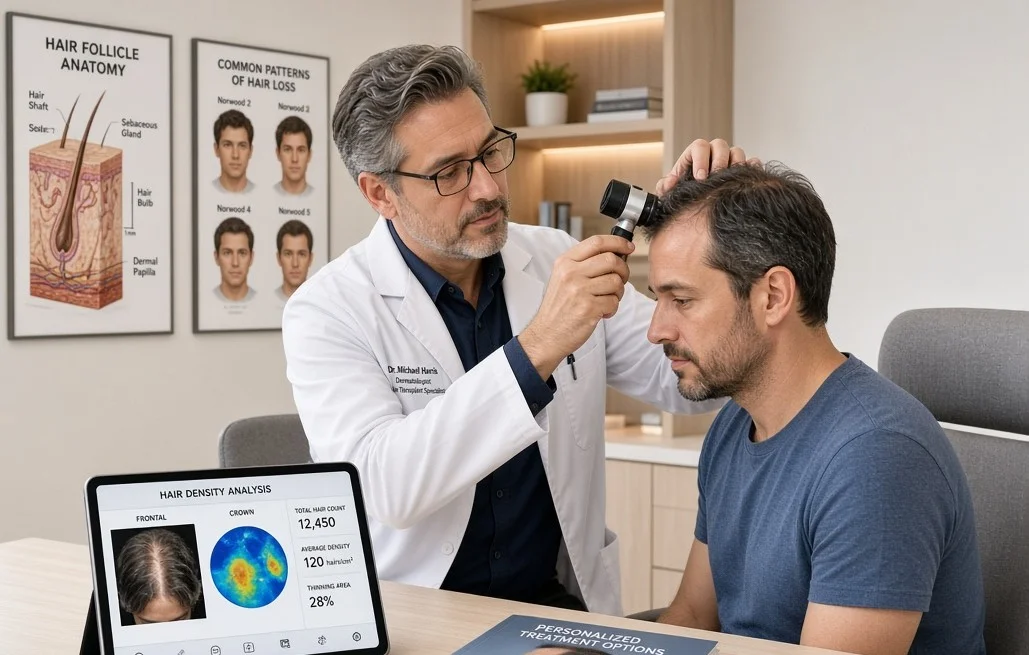
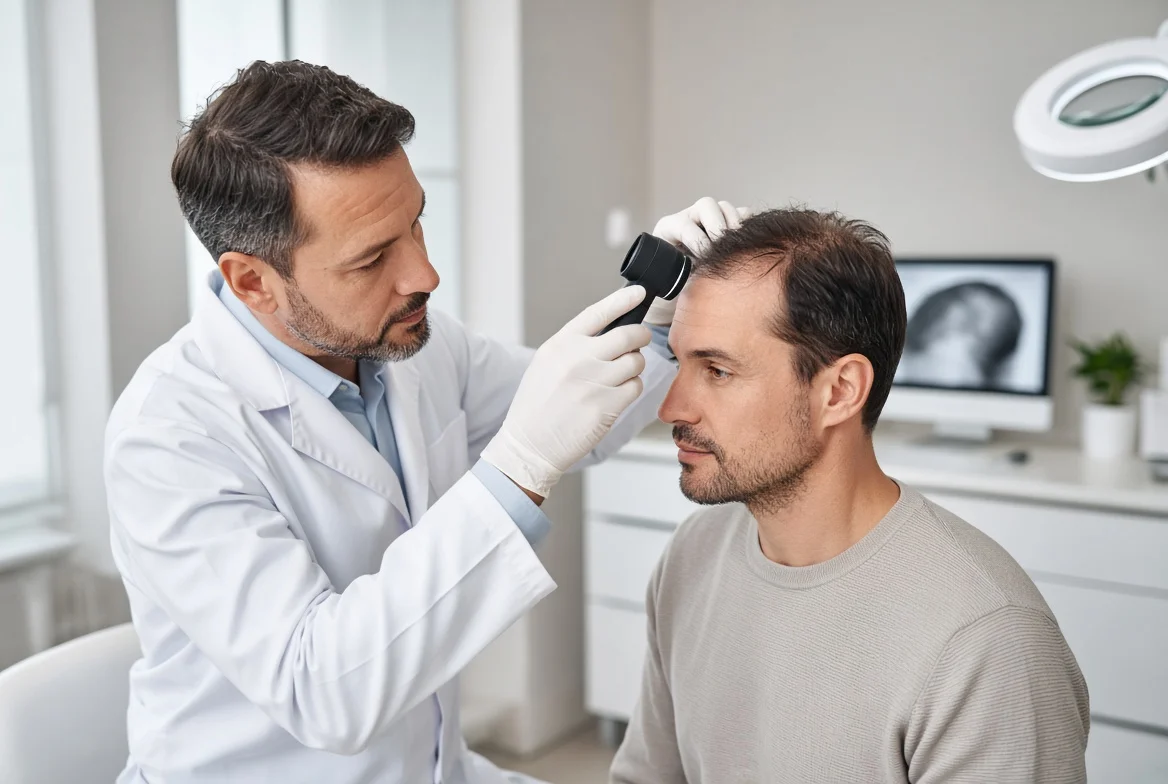
Your journey begins with a consultation. During this meeting, the surgeon examines your scalp and discusses your hair loss pattern. They assess your donor area to see how many grafts are available. The surgeon also designs your new hairline and plans for the crown (vertex) area. This is a chance to ask all your questions and understand the process.
Extraction
On the day of the procedure, the surgical team cleans your scalp. They apply local anesthesia to numb the donor area. This means you stay awake but do not feel pain during the extraction. The surgeon then carefully removes individual follicular units. For FUE and DHI, they use small tools to extract each graft. For FUT, they remove a strip of skin. The team works to avoid transection, which is damage to the hair follicle during extraction.
Implantation
After extraction, the surgeon prepares the recipient area. For FUE and FUT, they create tiny openings, called channel opening, where each graft will be placed. For DHI, the special tool both creates the opening and implants the graft directly. The surgical team then carefully places each graft into these openings. They pay close attention to the direction and angle of the natural hair growth to ensure a natural look. The local anesthesia helps you stay comfortable during this stage as well.
Recovery - what to expect
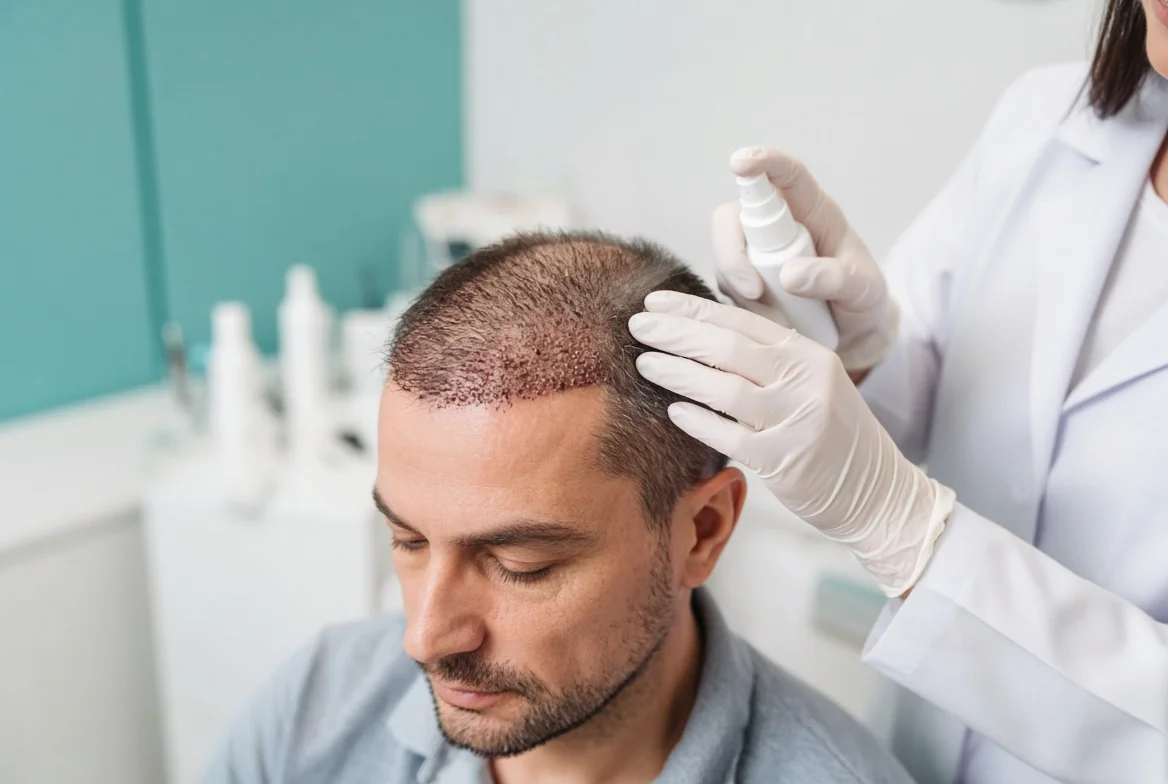
The first few days after a hair transplant are important for graft survival. You will likely see small red spots and some scabbing in both the donor and recipient areas. Some swelling may also occur, often around the forehead and eyes. Your surgeon will provide specific instructions on how to care for your scalp during this time. This usually includes gentle washing methods and avoiding direct sun exposure.
You should avoid strenuous activities, heavy lifting, and intense exercise for a period after the surgery. These activities can increase swelling or dislodge the newly implanted grafts. It is also important to sleep with your head slightly raised to help reduce swelling. Most people can return to light activities and work after a few days, but this varies by individual and surgeon advice.
Within the first few weeks, many of the transplanted hairs will fall out. This is a normal part of the process called shock loss, or the shedding phase. It does not mean the transplant has failed. The hair follicles remain in place and will begin to grow new hair in the following months. New hair growth typically starts after a few months, and the full density takes many more months to become visible. Following aftercare instructions helps to support a good graft survival rate.
What are the risks and limits?
Like any medical procedure, a hair transplant has potential risks. These can include infection, swelling, and temporary numbness in the treated areas. Scarring can occur, especially with the FUT method where a linear scar is left in the donor area. FUE and DHI methods leave very small, dot-like scars that are often less noticeable. Some patients may also experience temporary shock loss of existing hairs around the transplanted area.
There are also limits to what a hair transplant can achieve. The density of the transplanted hair may not be as thick as your original hair. The procedure moves existing hair; it does not create new hair follicles. The results vary greatly from person to person, depending on factors like the quality of your donor hair, the extent of your hair loss, and how well you follow aftercare instructions. It is important to discuss all potential risks and limits with your surgeon before making a decision.
Frequently asked questions
When can I wash my hair after a hair transplant?
Your surgeon will give you specific instructions, but usually you can gently wash your hair a few days after the procedure. You will use a special shampoo and a very soft technique to avoid disturbing the grafts.
When can I return to my normal activities?
Most patients can return to light, non-strenuous activities within a few days. Strenuous exercise, heavy lifting, and swimming should be avoided for a few weeks. Your surgeon will provide a detailed timeline based on your recovery.
Will I need more than one hair transplant?
Some people achieve their desired density with one procedure. Others may choose to have a second procedure later to add more density or address further hair loss. This depends on your individual hair loss pattern and goals.
Does a hair transplant hurt?
During the procedure, local anesthesia is used, so you should not feel pain. After the anesthesia wears off, you might feel some mild discomfort or soreness, which can be managed with pain relief medication prescribed by your doctor.
Can I prevent future hair loss after a transplant?
A hair transplant moves hair follicles that are resistant to balding. These hairs usually continue to grow for life. However, existing non-transplanted hair may still thin over time. Your surgeon might suggest treatments like PRP (platelet-rich plasma) or medications to help maintain your existing hair.