What Happens During a Hair Transplant Consultation?
Learn what happens during a hair transplant consultation, including how the surgeon assesses your hair, discusses methods like FUE and DHI, and explains recovery and risks.
What Happens During a Hair Transplant Consultation?
Medically reviewed by Dr. Ersun Cobanoglu · Last reviewed August 25, 2026 · 6 min read
During a hair transplant consultation, a surgeon will assess your hair loss and overall health. You will discuss your goals and what you hope to achieve. The surgeon explains the different methods, such as FUE or DHI, and answers your questions. This meeting helps you understand if a hair transplant is right for you.
What is a hair transplant?
A hair transplant is a medical procedure that moves hair from one part of your body to another. It treats hair loss by taking healthy hair follicles from a donor area, usually the back or sides of the head. These hair follicles are then placed into a recipient area where hair is thinning or missing.
Two common methods are FUE (follicular unit extraction) and DHI (direct hair implantation). FUE involves extracting individual hair follicles, also called follicular units, one by one. Each follicular unit contains one to four hairs. DHI uses a special pen-like tool to implant the extracted hair follicles directly into the recipient area without first opening channels.
Who is it suitable for?
A hair transplant can be suitable for many people experiencing hair loss. This often includes men and women with male or female pattern baldness, which is a common type of permanent hair loss. Candidates usually have a stable area of healthy hair at the back or sides of their head to serve as the donor area.
The procedure may not be suitable for everyone. People with widespread hair thinning, or those who do not have enough healthy hair in their donor area, might not be good candidates. Active scalp infections or certain medical conditions can also prevent someone from having a hair transplant. A surgeon can tell you if you are a suitable candidate during a consultation.
How does the procedure work?
Consultation
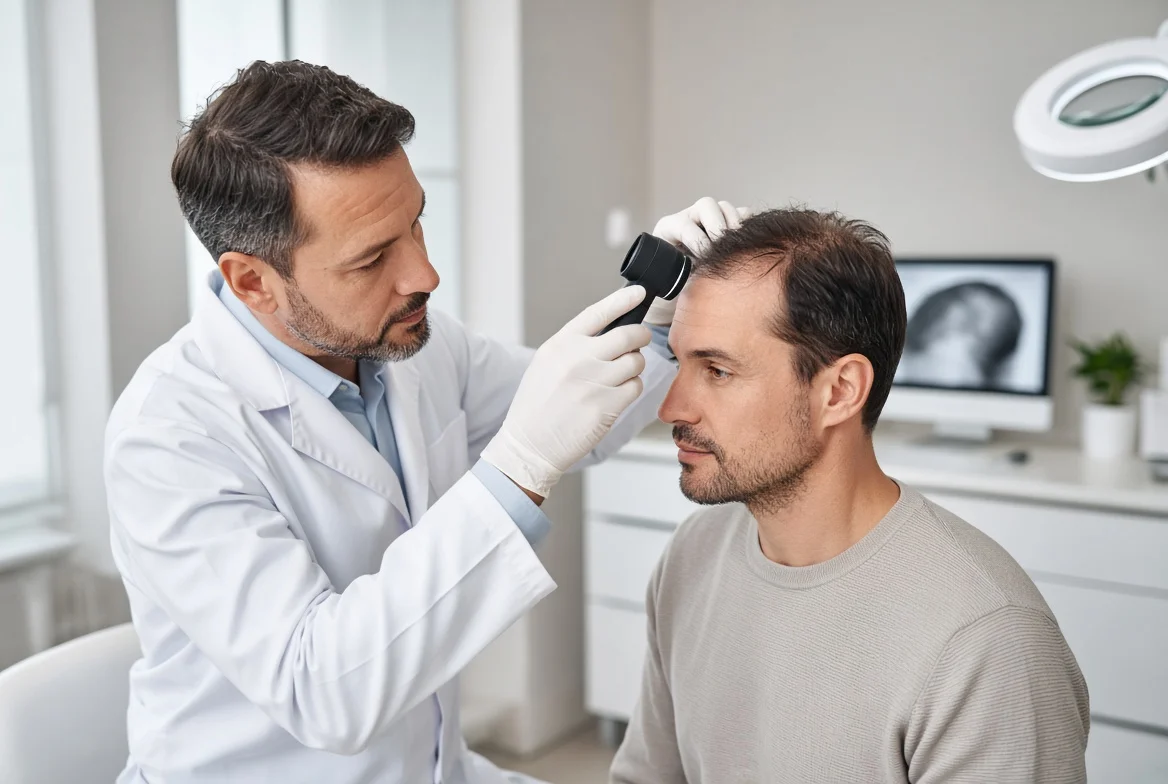
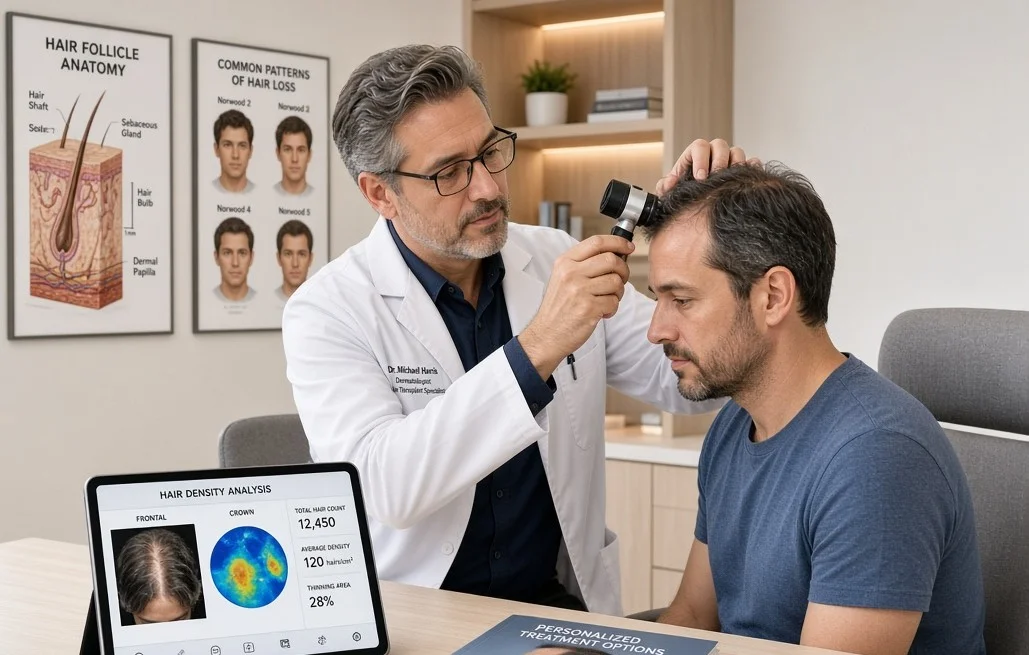
Your consultation is the first step. The surgeon examines your scalp and measures the extent of your hair loss, often using the Norwood scale for men. They assess the density and quality of your hair in the donor area. This is also when you discuss your desired hairline and overall density goals. The surgeon explains which method, FUE or DHI, might be best for your case and outlines the expected results.
Extraction
On the day of the procedure, the donor area is prepared and given local anesthesia to numb it. This means you stay awake but do not feel pain during the extraction. For FUE, the surgeon uses a small tool to remove individual hair follicles from the donor area. Care is taken to avoid transection, which is damage to the hair follicle during extraction. For DHI, the extraction process is similar.
Implantation
After extraction, the hair follicles are prepared for implantation. The recipient area is also numbed with local anesthesia. If you are having FUE, the surgeon creates tiny channel openings in the recipient area. These channels determine the direction and angle of the new hair growth. Then, the extracted grafts are carefully placed into these channels. With DHI, the surgeon uses a special implanter pen to directly implant the grafts into the recipient area, creating the channel and placing the graft in one step.
Recovery
After your hair transplant, you can expect some scabbing and swelling in the treated areas. These usually appear within the first few days. Your surgeon will provide specific aftercare instructions, which are important for proper healing and graft survival rate. It is normal for the transplanted hairs to fall out within the first few weeks; this is called shock loss or the shedding phase. New hair growth begins gradually after this phase.
Full results take time to appear. The new hair grows slowly, and you will see increasing density over several months. Following your surgeon’s advice on cleaning and protecting your scalp helps ensure the best outcome. Avoid strenuous activities for the period your surgeon suggests.
What are the risks and limits?
Like any medical procedure, a hair transplant has potential risks. These can include infection, bleeding, and scarring. While FUE leaves very small, dot-like scars, FUT (strip method) leaves a linear scar in the donor area. Some patients may experience temporary numbness or itching in the treated areas. The graft survival rate can vary from person to person.
It is important to have realistic expectations. A hair transplant moves existing hair; it does not create new hair follicles where none existed before. The final density depends on your donor hair supply and how well the grafts take. The procedure addresses current hair loss but does not stop future hair loss in other areas of your scalp. An unshaven hair transplant is an option for some patients, but it may limit the number of grafts that can be moved.
Frequently asked questions
Does a hair transplant hurt?
During the procedure, your scalp receives local anesthesia, so you should not feel pain. You might feel some pressure or minor discomfort as the anesthesia is applied. After the anesthesia wears off, you may experience some soreness or mild pain, which can usually be managed with prescribed medication.
How long do hair transplant results last?
The transplanted hair follicles are typically resistant to the hormones that cause hair loss. This means the transplanted hair is permanent. However, a hair transplant does not prevent future hair loss of your original, non-transplanted hair. You may continue to lose hair in other areas of your scalp over time.
Can women get hair transplants?
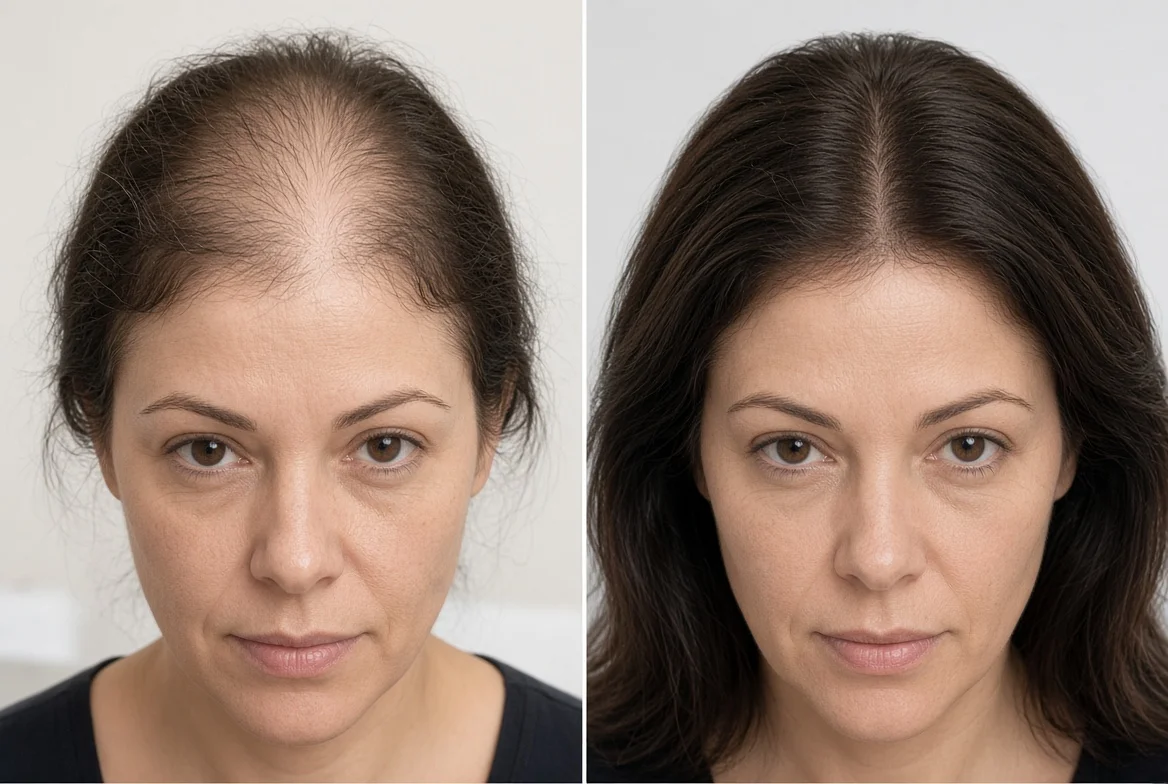
Yes, women can undergo hair transplants if they are suitable candidates. The process and considerations are similar to men. A surgeon will assess the pattern of hair loss, the quality of the donor area, and discuss expectations to determine if a hair transplant is the right solution.
What is PRP?
PRP (platelet-rich plasma) is a treatment sometimes used with hair transplants. It involves taking a small sample of your blood, processing it to concentrate the platelets, and then injecting it into the scalp. PRP may help stimulate hair growth and improve healing, but its effectiveness can vary.
When will I see the final results?
Hair growth is a gradual process. You will typically see new hair growth starting several months after the procedure. The hair grows slowly, and it usually takes about a year to see the full, final results of your hair transplant. Patience is important during this period.