How to Get a Natural Hairline from a Hair Transplant
Learn how to get a natural hairline from a hair transplant. This guide explains the procedure, recovery, risks, and answers common patient questions about FUE and DHI methods.
How to Get a Natural Hairline from a Hair Transplant
Medically reviewed by Dr. Ersun Cobanoglu · Last reviewed August 12, 2026 · 6 min read
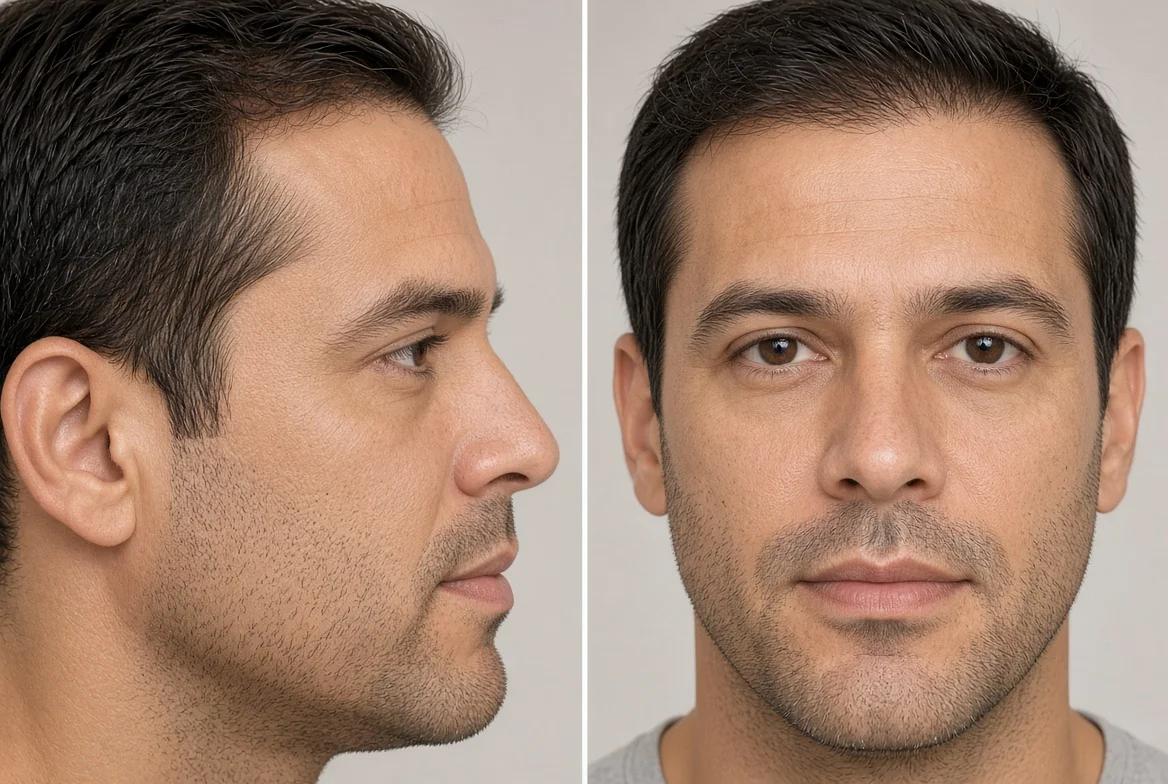
Getting a natural hairline after a hair transplant depends on the surgeon's skill and artistic vision. They carefully design the hairline to match your face and age. The surgeon also places individual hair follicles at the correct angle and direction to blend with your existing hair. This attention to detail helps create results that look like your own natural hair.
What is a hair transplant?
A hair transplant is a medical procedure that moves hair from one part of your body to another. It treats hair loss, most often on the scalp. The hair usually comes from the back or sides of your head, called the donor area. The surgeon moves these hairs to areas where hair is thinning or gone, known as the recipient area.
There are two main methods for hair transplant. One is FUE (follicular unit extraction). In FUE, the surgeon removes individual follicular units directly from the donor area. A follicular unit is a natural grouping of one to four hair follicles. This method leaves very small, dot-like scarring.
Another method is DHI (direct hair implantation). DHI is a modified FUE technique. The surgeon extracts follicular units in the same way as FUE. However, with DHI, the surgeon uses a special tool to implant each graft directly into the recipient area. This tool both creates the channel opening and places the graft at the same time.
Who is it suitable for?
A hair transplant is often suitable for people experiencing male or female pattern baldness. This type of hair loss is permanent. You need a stable donor area with enough healthy hair follicles to move. A surgeon will check your hair density and hair quality in this area.
A hair transplant may not be suitable for everyone. People with widespread thinning or not enough donor hair may not be good candidates. Certain medical conditions can also affect suitability. It is important to have realistic expectations about the results. Your surgeon will discuss your specific situation during a consultation.
How does the procedure work?
The hair transplant procedure involves several steps, usually completed in one day.
Consultation
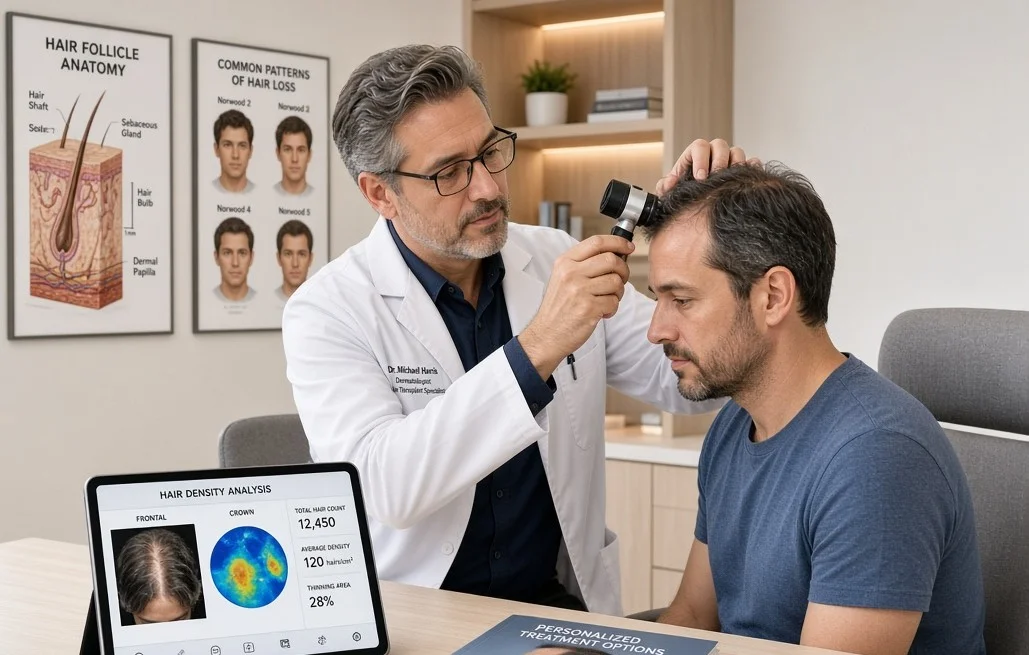
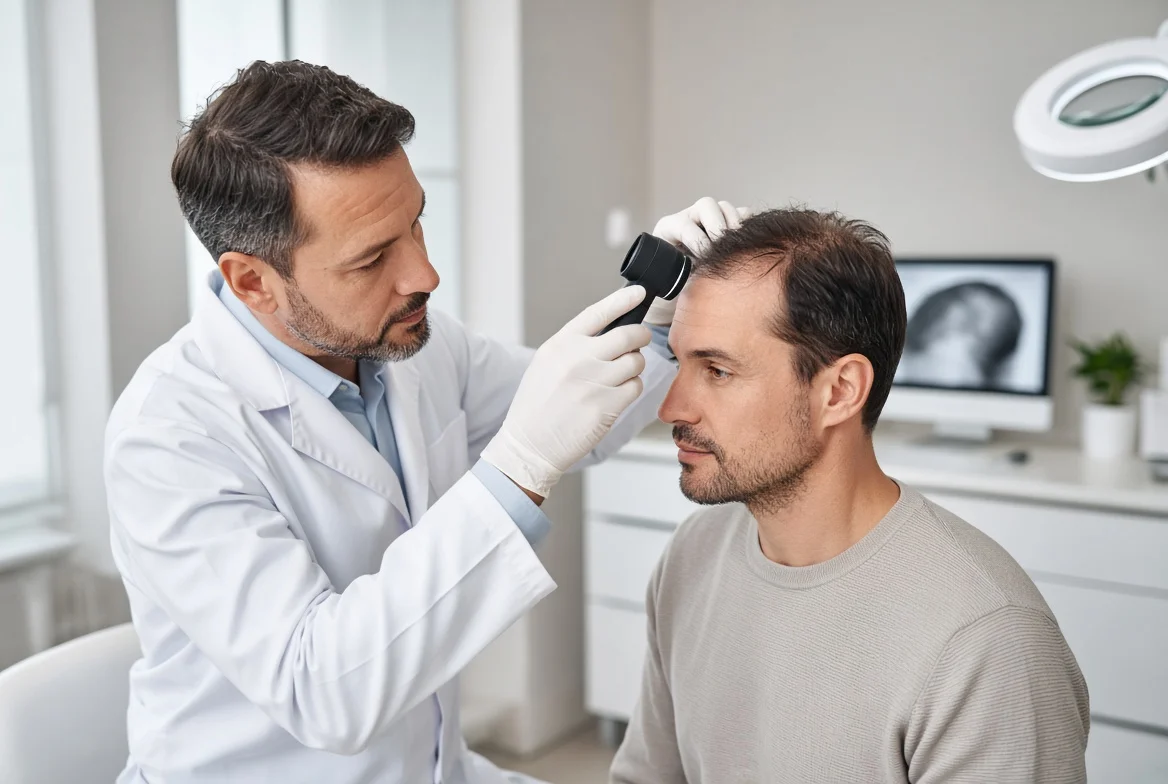
Before the procedure, you will have a detailed consultation with your surgeon. They will examine your hair loss pattern and the quality of your donor area. Together, you will discuss your goals and design your new hairline. The surgeon considers your face shape, age, and natural hair growth patterns. This step is key to achieving a natural look.
Extraction
On the day of the procedure, the surgeon will first apply local anesthesia to your donor area. This numbs the area so you do not feel pain. If you are having FUE or DHI, the surgeon carefully removes individual follicular units. They use a small punch tool to extract each graft. The goal is to avoid transection, which is damage to the hair follicle during extraction.
Implantation
After extraction, the surgeon prepares the recipient area. For FUE, they create tiny channel openings in the bald or thinning areas. For DHI, the special implantation tool creates the channel and places the graft at the same time. The surgeon places each graft one by one. They pay close attention to the natural angle, direction, and density of your existing hair. This careful placement ensures the transplanted hair grows in a natural pattern.
Recovery
After your hair transplant, you can expect some scabbing and swelling in both the donor and recipient areas. This is a normal part of the healing process. The scabs usually fall off within the first 7 to 10 days. Swelling often reduces within the first few days. Your surgeon will give you specific aftercare instructions. These instructions help ensure proper healing and graft survival rate.
Many people experience shock loss a few weeks after the procedure. This is when the transplanted hairs shed. This shedding phase is temporary. New hair growth usually begins a few months later. Full results become visible over a longer period, sometimes up to 12 to 18 months. The final density and appearance continue to improve during this time.
What are the risks and limits?
Like any medical procedure, hair transplants carry some risks. These can include infection in the treated areas or scarring, especially in the donor area. FUE and DHI methods generally result in very small, dot-like scars, which are often hard to see. There is also a small risk of transection, where hair follicles get damaged during extraction or implantation.
The final outcome of a hair transplant varies by patient. Factors like your natural hair characteristics, the amount of donor hair available, and how your body heals all play a role. It is important to understand that a hair transplant moves existing hair; it does not create new hair. The density achieved depends on your donor hair supply. Your surgeon will discuss these individual limits with you during your consultation.
Frequently asked questions
How long do results last?
The results of a hair transplant are generally permanent. The transplanted hair follicles are usually resistant to the hormone that causes pattern baldness. This means they should continue to grow for a lifetime.
Will anyone know I had a hair transplant?
With a skilled surgeon and careful planning, your hair transplant results should look natural. People may notice your hair is thicker, but a well-designed hairline and proper graft placement make it difficult to tell it is a transplant.
Is the procedure painful?
During the procedure, you will receive local anesthesia. This numbs the donor and recipient areas, so you should not feel pain. You might feel some mild discomfort or pressure. After the anesthesia wears off, you may experience some soreness, which can be managed with prescribed pain relief.
Can women have a hair transplant?
Yes, women can have a hair transplant. Female pattern hair loss can also be treated with this procedure, especially if there is a stable donor area. A surgeon will assess if you are a suitable candidate based on your specific hair loss pattern.
What is the ideal age for a hair transplant?
There is no single "ideal" age for a hair transplant. It depends more on the stability of your hair loss. Surgeons often prefer to wait until a patient's hair loss pattern has become clear and stable. This helps ensure the transplant blends well with future hair loss, if any, and provides a long-lasting natural result.