Hair Transplants for Women: Solutions for Thinning Hair
Considering a hair transplant for thinning hair? Learn about FUE and DHI, who is suitable, how the procedure works, recovery, and risks for women.
Hair Transplants for Women: Solutions for Thinning Hair
Medically reviewed by Dr. Ersun Cobanoglu · Last reviewed August 15, 2026 · 6 min read
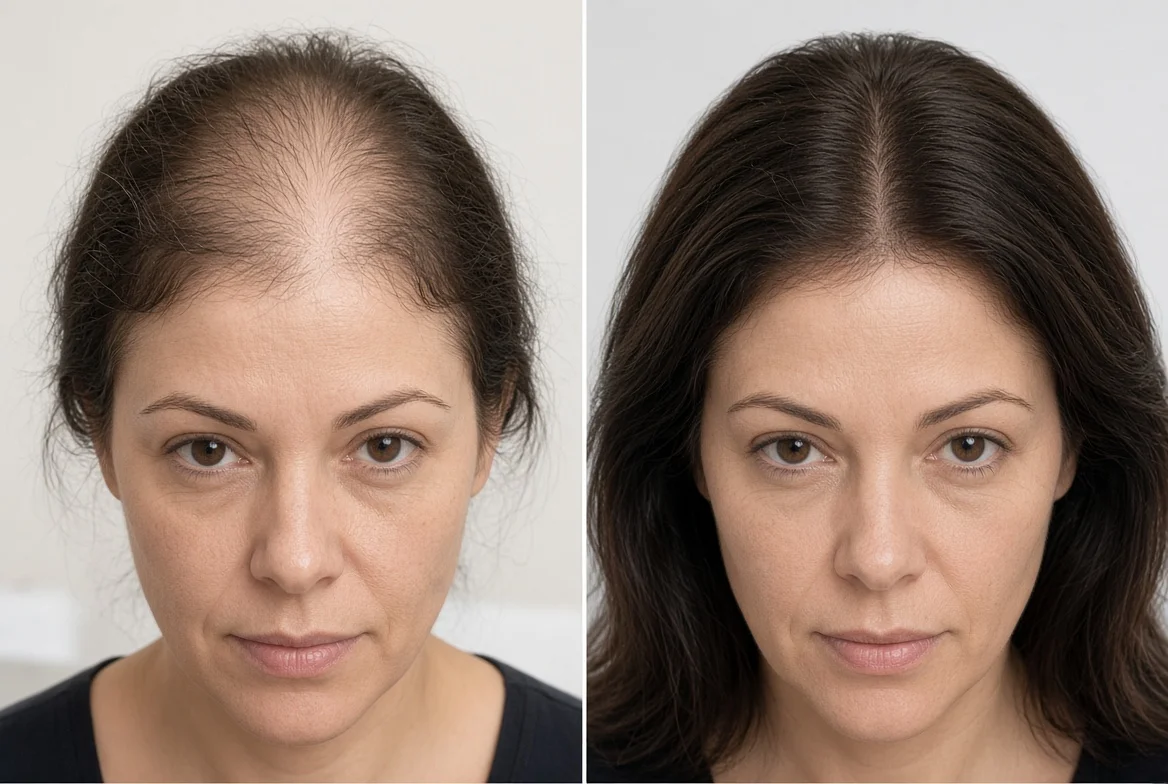
Many women experience hair thinning, which can cause distress. A hair transplant offers a way to move healthy hair to areas where it is thinning, creating a fuller look. This procedure can help restore density and confidence for suitable candidates.
What is a hair transplant?
A hair transplant is a surgical procedure that moves hair from one part of your body to another. Surgeons take hair follicles from an area with dense hair, called the donor area. They then place these follicles into areas where hair is thinning or missing, known as the recipient area. The goal is for these transplanted hair follicles to grow naturally in their new location.
Two main methods for hair transplant are FUE and DHI.
- FUE (follicular unit extraction): In FUE, the surgeon extracts individual hair follicles directly from the donor area. These follicles are tiny groupings of one to four hairs, called follicular units. The surgeon uses a small punch tool to remove each unit one by one. This method typically leaves very small, circular scars that are hard to see.
- DHI (direct hair implantation): DHI is a form of FUE. With DHI, the surgeon uses a special tool, often called a Choi implanter pen, to both create the channel opening and implant the graft at the same time. This pen allows the surgeon to control the depth, angle, and direction of each implanted hair. DHI may allow for less shaving of the donor area, which some women prefer.
Another method, FUT (strip method), involves removing a strip of skin from the donor area. While effective, it leaves a linear scar, which may be more noticeable for women who wear their hair short.
Who is it suitable for?
A hair transplant can be a good option for women with certain types of hair loss. The best candidates usually have a stable donor area with enough healthy hair follicles to move. They also have a clear area of thinning hair that can benefit from added density.
Women often experience a type of hair loss called female pattern hair loss, which can lead to diffuse thinning across the scalp. This differs from male pattern baldness, which usually shows a receding hairline and a bald spot on the crown (vertex). For women with diffuse thinning, finding a strong donor area can be more challenging. If the hair loss affects the entire scalp, there may not be enough healthy hair to transplant to the thinning areas.
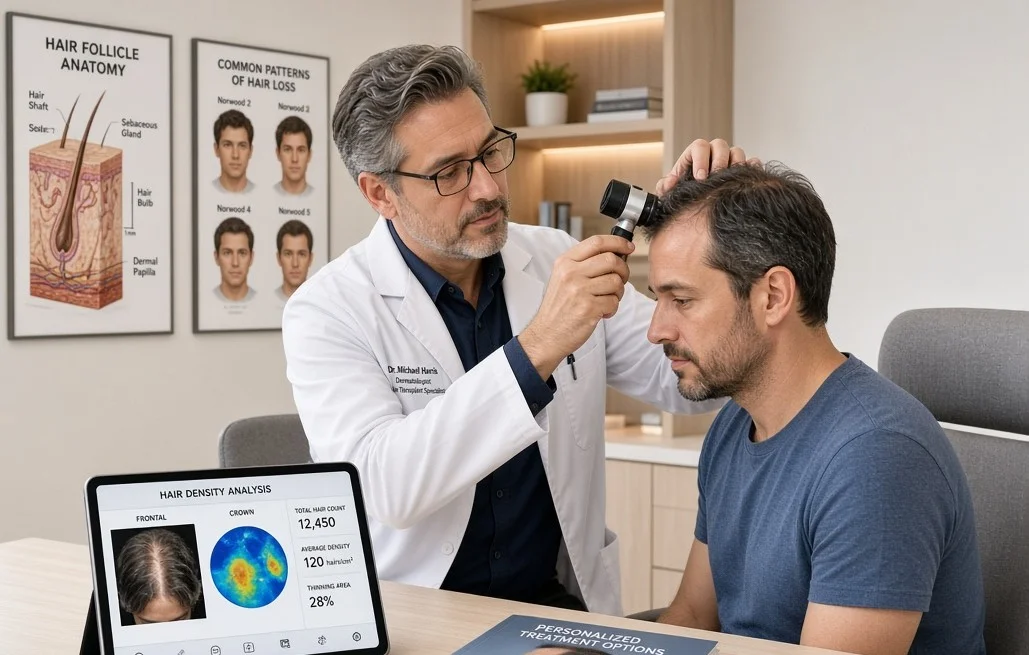
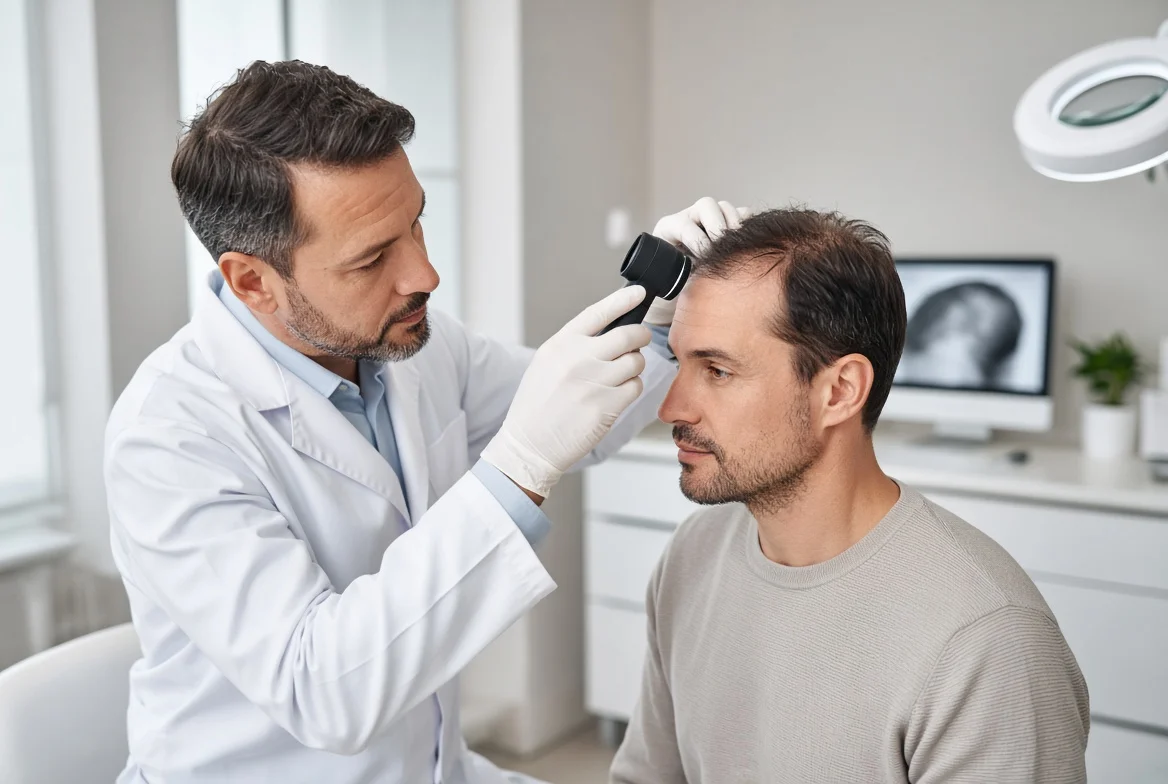
A surgeon will examine your scalp, hair type, and the pattern of your hair loss. They will discuss your medical history and your expectations. This detailed consultation helps determine if a hair transplant is the right solution for you.
How does the procedure work?
Consultation
Your journey begins with a detailed consultation. The surgeon will assess your hair loss pattern, the quality of your donor area, and your overall health. They will discuss the likely results and explain the procedure steps. This is also when you can ask all your questions and share your goals for your new hairline or increased density.
Extraction
On the day of the procedure, the surgeon will first apply local anesthesia to your donor area. This numbs the area so you do not feel pain during the extraction. For FUE and DHI, the surgeon then carefully extracts individual follicular units from the donor area. They may shave a small part of the donor area for easier access, though unshaven hair transplant options exist for some women.
Implantation
After extraction, the surgeon prepares the recipient area. They will design the new hairline or areas of increased density. For FUE, tiny channel openings are made in the recipient area. The surgeon then carefully places each extracted graft into these channels, paying attention to the natural direction of hair growth. For DHI, the implanter pen directly places the grafts without needing separate channel openings.
Recovery
After the procedure, it is normal to experience some scabbing and swelling in both the donor and recipient areas. This usually goes away within the first weeks. The surgeon provides specific aftercare instructions, which are important to follow carefully. These instructions help protect the newly implanted grafts and support healing.
The transplanted hair will often go through a shedding phase, also known as shock loss. This means the new hairs fall out within the first weeks or months. This is a normal part of the process. New hair growth usually begins after this shedding phase. The full results of the transplant become visible over several months as the new hair grows thicker and stronger.
What are the risks and limits?
Like any surgical procedure, a hair transplant carries some risks. These can include infection, scarring in the donor or recipient areas, or swelling. Some patients may experience temporary numbness or itching. There is also a risk of transection, which means damage to the hair follicle during extraction. This can reduce the number of usable grafts.
The success of a hair transplant depends on many factors, including the quality of your donor hair and how your body heals. The graft survival rate is high, meaning most transplanted follicles will grow. However, the final density and naturalness of the result can vary by patient. It is important to have realistic expectations and to understand that a hair transplant cannot create more hair than you have in your donor area. It simply redistributes existing hair.
Frequently asked questions
Will the transplanted hair look natural?
Yes, when performed by a skilled surgeon, transplanted hair can look very natural. The surgeon carefully considers the angle, direction, and density of hair growth to match your existing hair.
Is a hair transplant painful?
During the procedure, you will receive local anesthesia, so you should not feel pain. After the anesthesia wears off, you might feel some discomfort, which can usually be managed with pain relief medication.
How long do results last?
The hair follicles moved during a transplant are typically resistant to hair loss. This means the transplanted hair usually continues to grow for a lifetime. However, your existing, non-transplanted hair may continue to thin over time.
Can women have a hair transplant?
Yes, women can have hair transplants. The suitability depends on the type and pattern of hair loss, as well as the quality of the donor area. A consultation with a surgeon will determine if it is the right option for you.
What is PRP?
PRP (platelet-rich plasma) is a treatment that uses your own blood plasma, which contains growth factors. Sometimes, PRP is used alongside a hair transplant or as a standalone treatment to support hair growth and improve hair health. It may help transplanted grafts to heal and grow.