Hair Transplants for Women
Understand hair transplants for women, including FUE and DHI methods, who is a candidate, the procedure steps, recovery, and potential risks.
Hair Transplants for Women
Medically reviewed by Dr. Ersun Cobanoglu · Last reviewed July 31, 2026 · 7 min read
Women can often have hair transplants to address hair loss. This procedure moves healthy hair follicles from one part of the head to an area where hair is thinning. The goal is to create a fuller appearance and a natural-looking hairline.
What is a hair transplant?
A hair transplant is a medical procedure that moves hair from one area of your head to another. Surgeons take healthy hair follicles, which are small structures that grow hair, from a 'donor area' where hair is thick. They then place these follicles into a 'recipient area' where hair is thin or absent. This helps to restore hair density.
Two common methods for hair transplantation are FUE and DHI. FUE stands for follicular unit extraction. In this method, the surgeon extracts individual 'follicular units' (groups of one to four hair follicles) directly from the donor area. This creates tiny, round scars that are often not visible. DHI stands for direct hair implantation. With DHI, the surgeon implants the extracted hair follicles directly into the recipient area using a special tool, often without first making small cuts for placement. This can offer precise control over the angle and direction of hair growth.
Another method, FUT (strip method), involves removing a strip of skin with hair follicles from the donor area. While effective, it often leaves a linear scar. Because women often prefer to wear their hair longer or styled in ways that might reveal a linear scar, FUE and DHI are generally more common choices for women seeking a hair transplant.
Who is it suitable for?
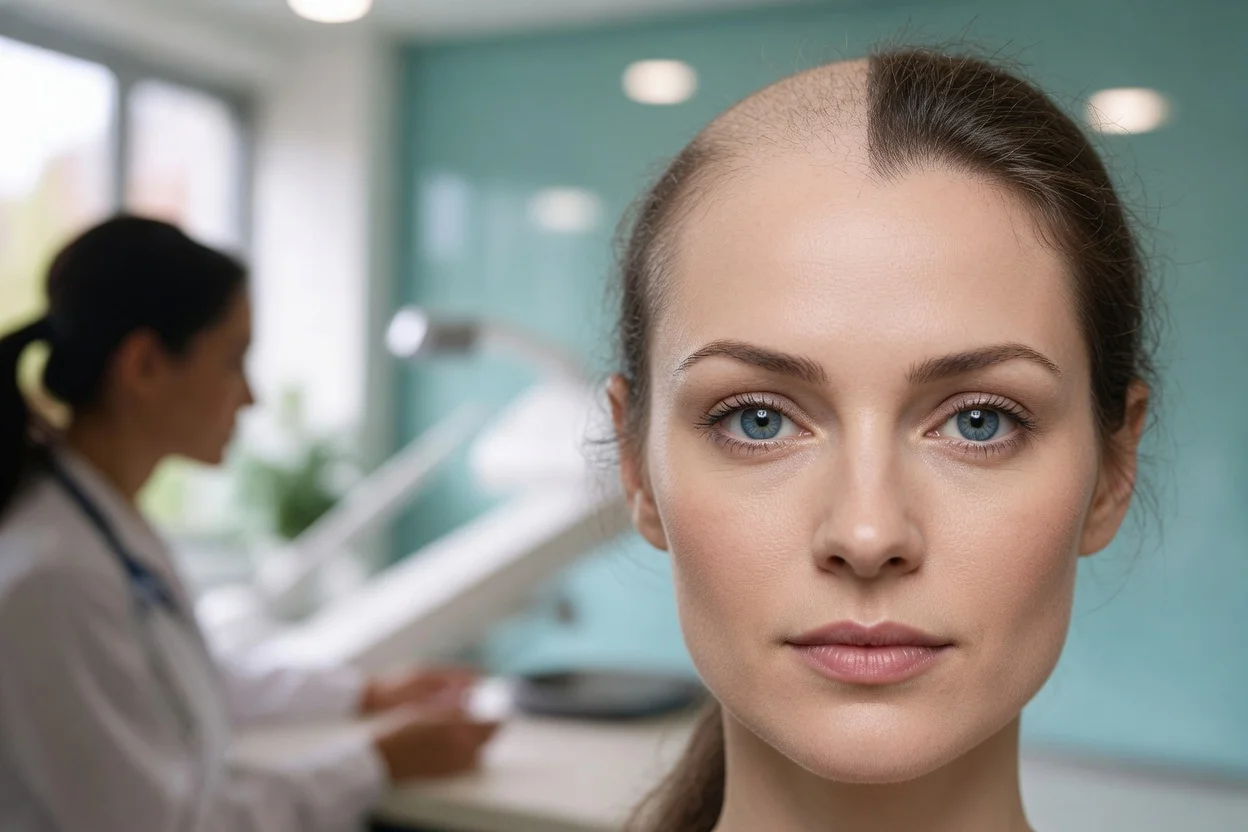
Hair transplants are suitable for women who have specific types of hair loss. This often includes 'female pattern hair loss', where hair thins on the top and crown (vertex) of the head but the sides and back remain dense. It can also help women with 'traction alopecia', which is hair loss caused by constant pulling on the hair, often from tight hairstyles.
The best candidates have a stable 'donor area' with enough healthy hair follicles to move. This donor area must have hair that is not likely to fall out in the future. A doctor will check the quality and quantity of your donor hair during a consultation.
Hair transplantation may not be suitable for women with diffuse hair loss, where thinning occurs evenly across the entire scalp, including the donor area. In such cases, there may not be enough healthy hair to transplant. Women with certain underlying medical conditions might also not be good candidates. An experienced surgeon can assess your specific situation and discuss if a hair transplant is right for you.
How does the procedure work?
Consultation
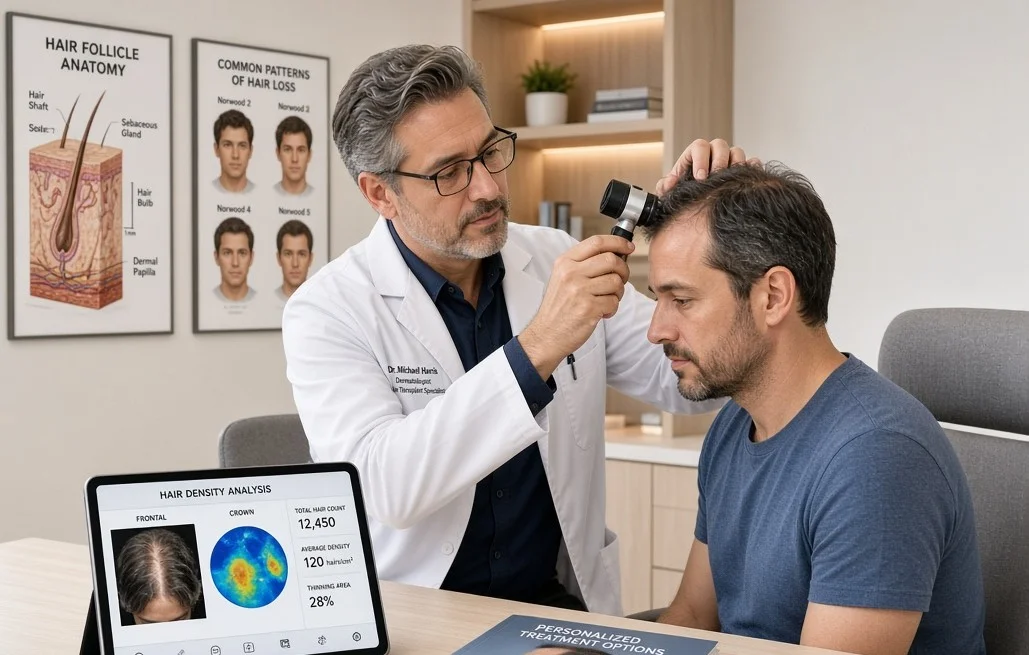
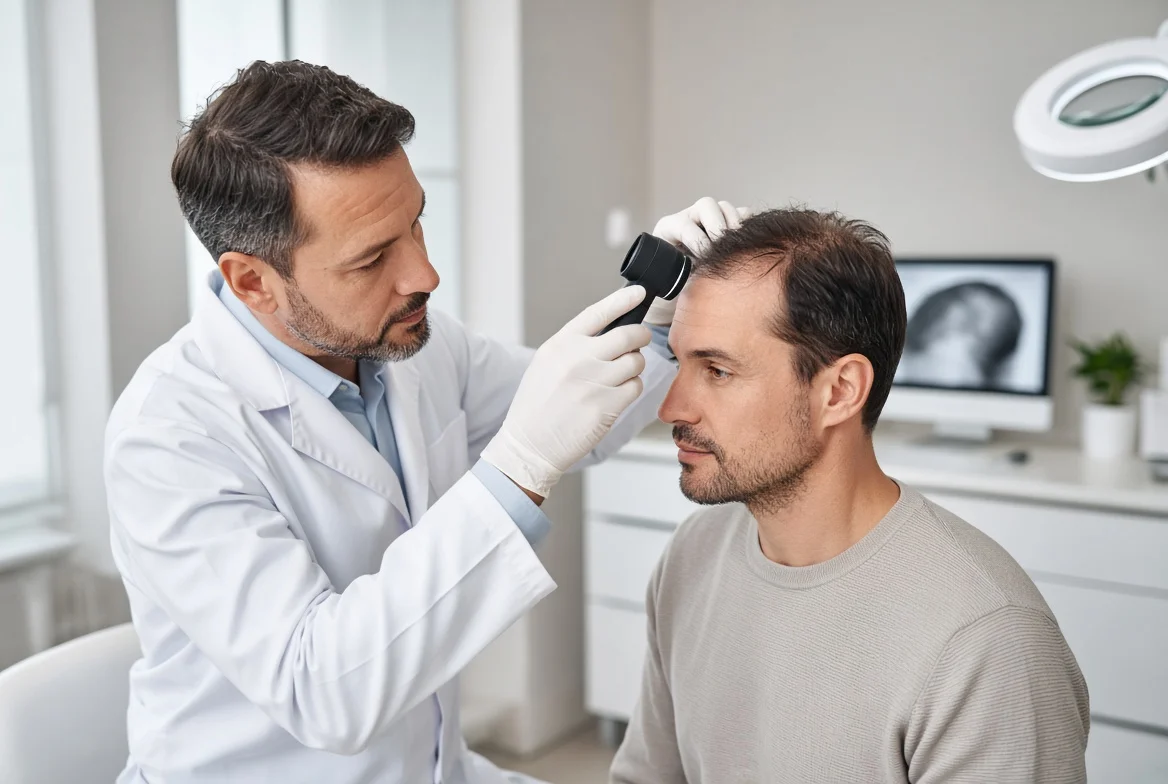
Your journey begins with a detailed consultation. The surgeon will examine your scalp, discuss your hair loss pattern, and review your medical history. They will determine if you have enough healthy hair in your donor area. This is also when you can discuss your goals for your new hairline and overall hair density.
Extraction
On the day of the procedure, the donor area is prepared. The surgeon applies 'local anesthesia' to numb the area, so you do not feel pain during the extraction. For FUE, individual follicular units are carefully extracted. For DHI, the extraction process is similar. Sometimes, an 'unshaven hair transplant' is possible, where only small parts of the donor area are trimmed, making the procedure less noticeable.
Implantation
After extraction, the surgeon prepares the 'recipient area' for implantation. For FUE, tiny 'channel openings' are made in the thinning areas. The extracted 'grafts' (follicular units) are then carefully placed into these openings. For DHI, the surgeon uses a special pen-like tool to create the channel and implant the graft at the same time. The surgeon pays close attention to the natural direction and angle of your existing hair to ensure the transplanted hair blends well.
Recovery
After the hair transplant, you can expect some scabbing and swelling in both the donor and recipient areas. This is a normal part of the healing process. The surgeon will provide specific 'aftercare' instructions to help manage these effects and prevent 'infection'. You will need to follow these instructions carefully.
The transplanted hair will typically begin to shed within the first few weeks after the procedure. This is called 'shock loss' or the 'shedding phase'. It is a normal and expected part of the process, and it does not mean the transplant has failed. New hair growth usually begins after this phase. Full results take time to become visible as the new hair grows.
What are the risks and limits?
Like any medical procedure, a hair transplant carries some risks. These can include 'scarring' in the donor area, although FUE and DHI methods typically leave very small scars. There is also a small risk of infection. Some patients may experience temporary numbness or itching.
A potential limit is 'transection', which is damage to the hair follicle during extraction. Skilled surgeons aim to minimize this. The 'graft survival rate' can vary, meaning not every transplanted follicle may grow new hair. The final 'density' of the transplanted hair depends on the number of grafts, the quality of your donor hair, and how your body heals.
It is important to have realistic expectations. A hair transplant can improve hair density and create a more defined hairline, but it cannot restore hair to its original thickness if hair loss was very extensive. The results vary by patient, and a doctor can provide a personal assessment of what you might expect.
Frequently asked questions
Is a hair transplant painful for women?
During the procedure, you will receive local anesthesia, which numbs the scalp. This means you should not feel pain during the extraction or implantation of the hair follicles. You might feel some mild discomfort or soreness in the days following the procedure, which pain medication can usually manage.
How long do hair transplant results last?
The transplanted hair follicles are usually taken from an area of your scalp that is resistant to hair loss. This means the transplanted hair is generally permanent and should continue to grow naturally for many years. However, existing hair in other areas not treated by the transplant may continue to thin over time.
What is PRP and is it used with hair transplants?
PRP stands for platelet-rich plasma. It is a treatment that uses a patient's own blood plasma, which contains growth factors. Some clinics use PRP therapy alongside hair transplants. The idea is that it may help improve healing and stimulate hair growth, though its effectiveness can vary.
When can I wash my hair after a transplant?
Your surgeon will give you specific instructions on when and how to wash your hair after a transplant. Usually, you will need to wait a few days before gently washing the scalp. Special shampoos or washing techniques might be recommended to protect the newly implanted grafts.
Will people know I had a hair transplant?
Immediately after the procedure, there will be visible scabbing and redness, which will likely be noticeable. As you heal and new hair grows, the results should look natural. Modern hair transplant techniques aim to create a natural-looking hairline and density, making it difficult for others to tell you had a procedure once fully healed.