How Can Platelet-Rich Plasma (PRP) Improve My Skin Texture?
Learn about platelet-rich plasma (PRP) for skin rejuvenation. This article explains how PRP works, who it helps, what to expect, and its risks.
How Can Platelet-Rich Plasma (PRP) Improve My Skin Texture?
Medically reviewed by Dr. Nayim Karadogan · Last reviewed August 5, 2026 · 6 min read
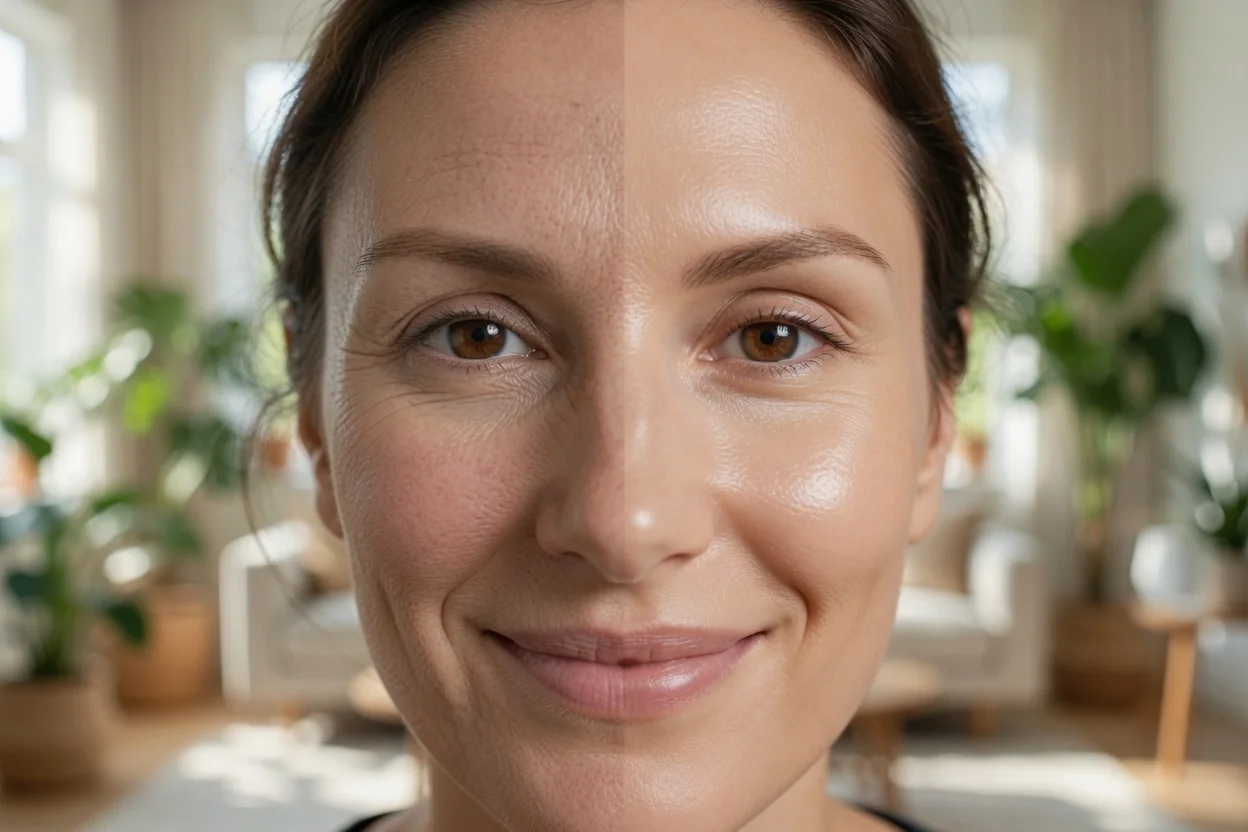
Platelet-rich plasma (PRP) uses your body's own healing factors to improve skin texture and tone. A qualified doctor takes a small amount of your blood, processes it, and then injects the concentrated plasma into areas of your skin that need rejuvenation. This non-surgical aesthetic treatment aims to smooth fine lines, reduce the look of scars, and give your skin a fresher appearance.
What is Platelet-Rich Plasma (PRP)?
Platelet-rich plasma, known as PRP, is a substance made from your own blood. It contains a high concentration of platelets, which are tiny blood cells known for their role in healing. These platelets release growth factors that can stimulate your skin's natural repair processes. When injected into the skin, PRP can help improve overall skin texture, making it look smoother and more even.
PRP can help address concerns like fine lines, mild wrinkles, acne scars, and uneven skin tone. It works by encouraging the production of new collagen and elastin, which are vital proteins for healthy skin. However, PRP cannot change deep wrinkles, significant skin sagging, or add volume to areas that have lost it. It also does not change your underlying bone structure.
Who is Platelet-Rich Plasma (PRP) suitable for?
PRP treatment is generally suitable for individuals seeking a natural way to improve their skin's appearance. It can be a good option for those with mild to moderate skin texture concerns, such as fine lines or certain types of scars. People looking for subtle, gradual improvements often find PRP appealing.
A careful qualified doctor would turn away patients who have certain medical conditions. For example, if you have a blood disorder, an active skin infection in the treatment area, or are taking certain blood-thinning medications, PRP might not be right for you. Pregnancy and breastfeeding are also contraindications, meaning medical reasons not to have the treatment. It is important to have realistic expectations about what PRP can achieve, as it offers improvement rather than a complete transformation.
How does Platelet-Rich Plasma (PRP) treatment work?
Consultation
Before any treatment, you will have a consultation with a qualified doctor. During this meeting, you will discuss your medical history, your skin concerns, and what you hope to achieve. The doctor will assess your skin and determine if PRP is a suitable non-surgical aesthetic treatment for you. This is also your chance to ask any questions you have.
The Appointment
On the day of your appointment, a small amount of blood will be taken from your arm, similar to a routine blood test. This blood is then placed into a special machine called a centrifuge, which spins to separate the platelet-rich plasma from other blood components. While this is happening, a topical anesthetic, which is a numbing cream, may be applied to your skin to help with comfort.
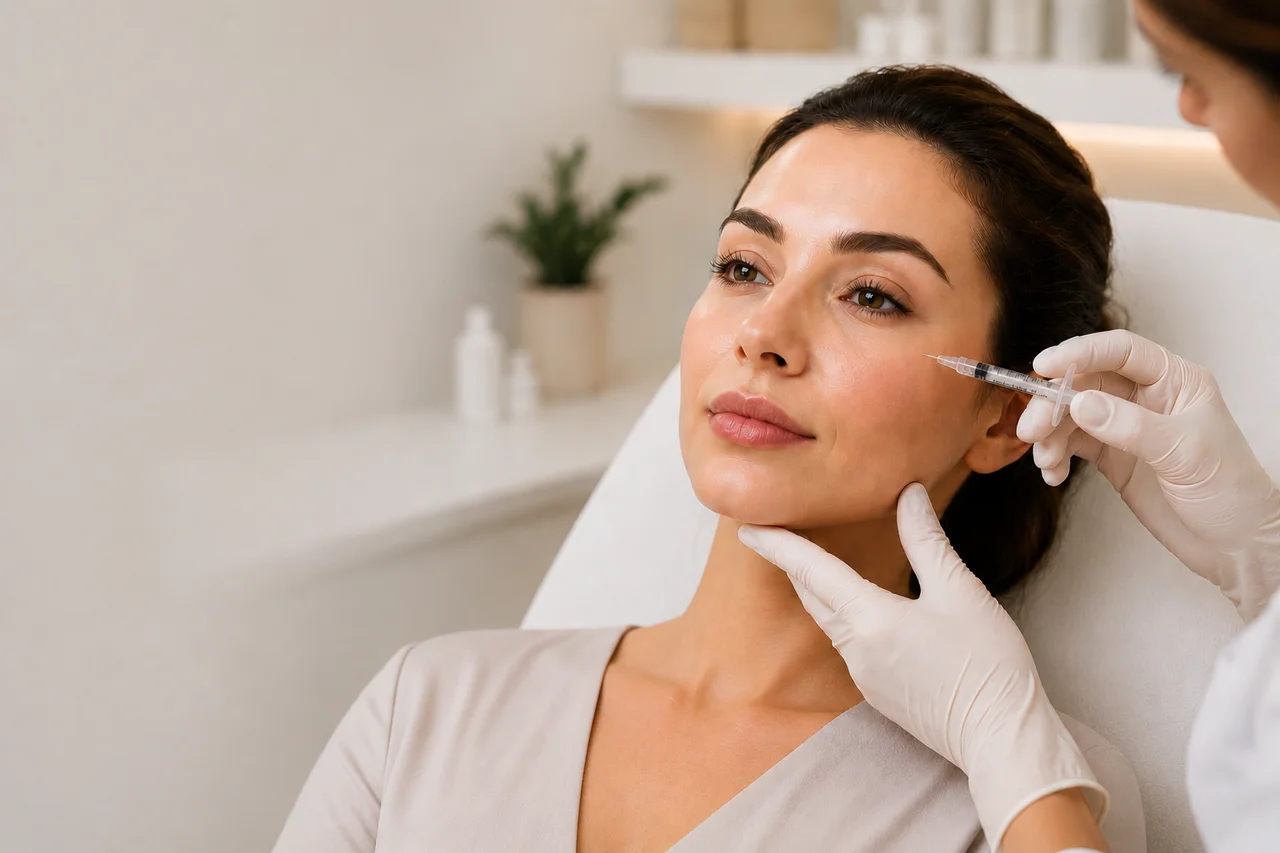
Once the PRP is ready, the doctor will carefully inject it into the targeted areas of your skin using very fine needles. Sometimes, the PRP may also be applied to the skin after a micro-needling treatment. The process is precise, focusing on areas where improved texture and rejuvenation are desired.
The Hours and Days After
After the treatment, you might notice some redness, swelling, or mild bruising at the injection site. These effects are common and usually settle within a short time. Your doctor will provide you with aftercare instructions, which explain what to do and what to avoid in the days after your treatment. This may include avoiding strenuous exercise, direct sun exposure, and certain skincare products for a period.
The downtime, which is the time before going back to normal activity, is usually minimal with PRP. Most people can return to their usual routines relatively quickly, though some choose to rest for a day if they experience noticeable swelling or redness.
How long do the results last?
The results from PRP treatment are not permanent. They are temporary and can fade over time as your body continues its natural aging process. The growth factors from the PRP stimulate your skin, but these effects gradually lessen.
The exact duration of how long the results last varies greatly among individuals, influenced by factors like age, lifestyle, and skin condition. Many patients discuss a top-up session with their doctor as the effects begin to diminish to maintain their improved skin texture. Your doctor can advise on the best timing for any follow-up treatments.
What are the risks and limits?
Like any non-surgical aesthetic treatment, PRP carries some risks, though they are generally mild. Common side effects include swelling, bruising, and redness at the injection site. You might also feel some mild discomfort or soreness in the treated areas. These effects usually resolve on their own.
Less common risks include infection, which is rare but possible whenever the skin barrier is broken. There is also a possibility of asymmetry, where one side of the face might appear slightly different from the other. Because PRP uses your own blood, the risk of an allergic reaction is very low.
If you experience severe pain, unusual or worsening swelling, pus, or fever, you should contact your clinic the same day. These could be signs of a more serious issue that requires urgent medical care. It is important to remember that results vary by patient, and PRP cannot stop the aging process or provide the dramatic changes that surgical procedures can offer.
Frequently asked questions
Is PRP painful?
A topical anesthetic, or numbing cream, is often applied to the treatment area before injections to help reduce discomfort. Most patients report feeling only mild pressure or a slight stinging sensation during the procedure.
How soon will I see results?
Results from PRP are not immediate. The treatment works by stimulating your body's natural processes, so improvements in skin texture and tone develop gradually over several weeks and months as new collagen is produced.
Can PRP be combined with other treatments?
Yes, PRP can often be combined with other non-surgical aesthetic treatments, such as dermal fillers or certain laser treatments, to achieve more comprehensive results. You should discuss this with your qualified doctor during your consultation.
What is the downtime after PRP?
Downtime after PRP is usually minimal. You might experience some redness and swelling for a short time, often resolving within a day or two. Most people can resume their normal activities relatively quickly.
Is PRP safe?
PRP is generally considered safe because it uses your own blood, which reduces the risk of allergic reactions or rejection. As with any injection, there is a small risk of bruising or infection, but these are uncommon.