
How Dermal Fillers Can Restore Facial Volume
Learn about dermal fillers for facial volume restoration. Understand the procedure, recovery, risks, and common questions about this non-surgical treatment.
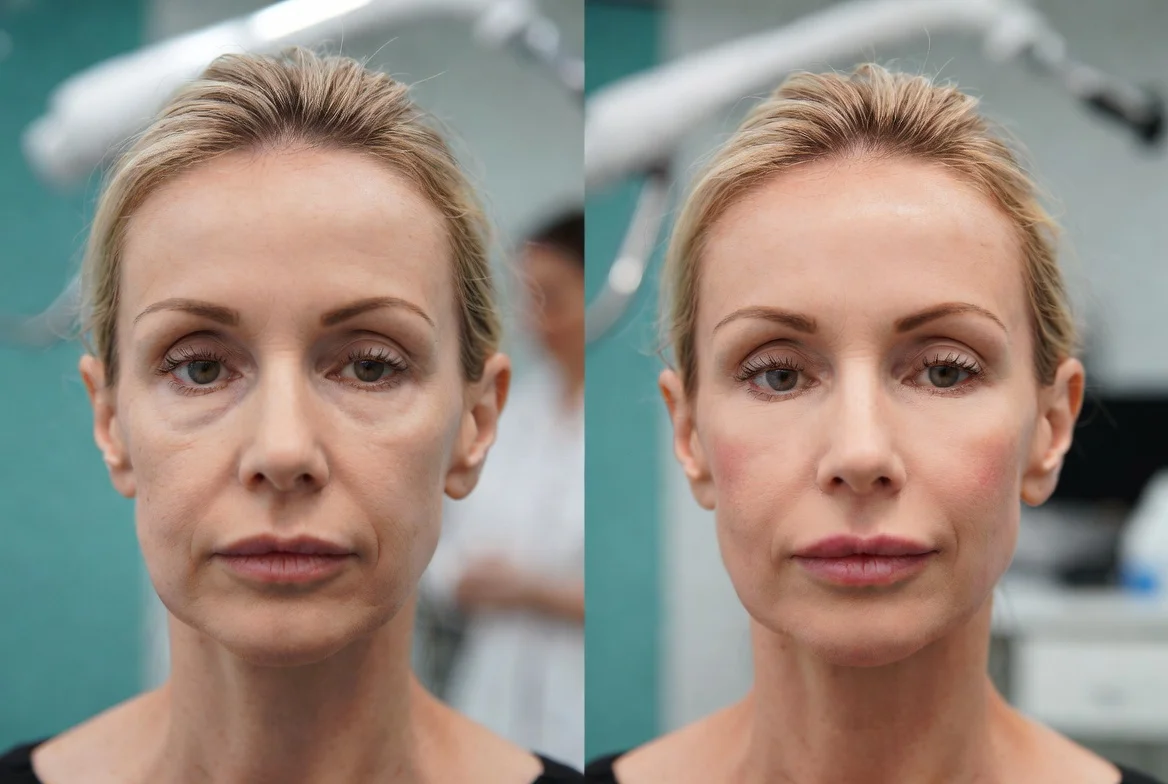
How Dermal Fillers Can Restore Facial Volume
Medically reviewed by Dr. Nayim Karadogan · Last reviewed August 2, 2026 · 6 min read
Dermal fillers are a non-surgical treatment that can help restore lost volume in the face. These injectable gels can fill in wrinkles and fine lines, and reshape facial contours. They work by adding volume beneath the skin's surface, aiming to create a smoother, fuller appearance.
What are dermal fillers?
Dermal fillers are gel-like substances injected beneath the skin to restore lost volume, smooth lines, and enhance facial contours. They are a popular non-surgical option for people seeking to address signs of aging or improve facial symmetry. Common areas for treatment include the cheeks, lips, chin, and under-eye hollows. While fillers can add volume and reduce the look of wrinkles, they cannot tighten loose or sagging skin that might require an aesthetic surgery like a facelift. They also do not stop the natural aging process.
Who is suitable for dermal fillers?
Dermal fillers may be suitable for adults who want to restore facial volume or smooth certain wrinkles without surgery. People with good general health and realistic expectations about the results often make good candidates. A qualified medical professional will discuss your medical history during a consultation. They will ask about allergies, existing medical conditions, and any medications you take. Dermal fillers are generally not advised for people who are pregnant or breastfeeding, have certain allergies, or have an active skin infection in the treatment area. Someone with very thin skin in certain areas or severe skin laxity might be advised that fillers alone will not achieve their goals.
How does the procedure work?
The process of getting dermal fillers involves several steps, from your first meeting with the doctor to the days immediately after the injections.
Consultation and planning
Your first step is a consultation with a qualified medical professional. You will discuss your aesthetic goals and concerns. The doctor will examine your face, assess your skin quality, and review your medical history. This is when you can ask questions and learn about the types of fillers available and which might be best for you. Together, you will create a treatment plan that suits your needs.
The injection
On the day of the procedure, the treatment area will be cleaned. A numbing cream may be applied to make the process more comfortable. The doctor then carefully injects the dermal filler into specific areas of your face using a fine needle or a blunt-tipped cannula. They will often massage the area gently to ensure even distribution of the filler. The entire injection process is usually quick.
The first days after
Immediately after the injections, you might see some changes in your facial volume. You may also notice some mild redness, swelling, or bruising at the injection sites. These effects are usually temporary. Your doctor will give you specific instructions on how to care for your skin during the first days.
Recovery - what to expect
The recovery period after dermal filler injections is typically short, as it is a non-surgical treatment. Most people can return to their daily activities soon after the procedure. You may experience some swelling, bruising, or tenderness in the treated areas. These effects usually lessen within the first few days. Applying a cold pack gently can help to reduce swelling. It is important to follow your doctor's aftercare instructions, which often include avoiding intense exercise and direct sun exposure for a short time. The final result of your filler treatment will become more apparent as any initial swelling goes down.
What are the risks and limits?
Like any medical procedure, dermal filler injections carry some risks, though serious complications are rare. Common, temporary side effects include bruising, swelling, redness, and tenderness at the injection sites. Some people may also feel small lumps under the skin, which often resolve on their own or can be massaged.
More serious, but less common, risks include infection, allergic reactions, or the formation of a granuloma, which is a small inflammatory nodule. In very rare cases, filler can be injected into a blood vessel, leading to a blockage (vascular occlusion). This can cause serious issues such as tissue damage, scarring, or, in extremely rare instances, vision loss. It is important to choose an experienced, qualified medical professional to reduce these risks.
The results of dermal fillers are not permanent. The body naturally breaks down the filler over time. The exact duration of the final result varies by patient, the type of filler used, and the treated area. Sometimes, the initial outcome may show some asymmetry, meaning one side of the face looks different from the other. This can often be corrected with additional filler or, if needed, by dissolving some of the existing filler using a specific enzyme. This is a type of revision treatment.
Frequently asked questions
How long do dermal fillers last?
The duration of dermal filler results varies greatly depending on the type of filler used, the area treated, and your individual body. Most fillers last for several months to over a year. Your doctor can give you a more precise estimate based on your treatment plan.
Is getting dermal fillers painful?
Most people report only mild discomfort during dermal filler injections. Many fillers contain a local anesthetic called lidocaine to help numb the area. A numbing cream may also be applied to the skin before the injections to further reduce any pain.
Can dermal fillers be removed?
Yes, some types of dermal fillers, particularly those made with hyaluronic acid, can be dissolved. This is done by injecting an enzyme called hyaluronidase, which breaks down the filler. This option provides a way to adjust or remove filler if you are not happy with the results or if a complication occurs.
What should I avoid after getting fillers?
After dermal filler injections, your doctor will provide specific aftercare instructions. Generally, it is advised to avoid intense physical activity, excessive sun or heat exposure, and alcohol for a short period. You should also avoid massaging the treated area unless instructed by your doctor.
What is the difference between dermal fillers and Botox?
Dermal fillers add volume to smooth wrinkles, fill hollows, and enhance facial contours. Botox, on the other hand, is a muscle relaxant that reduces wrinkles caused by muscle movement, such as frown lines or crow's feet. They address different types of facial concerns and sometimes are used together for a more complete result.