Veneers to Correct Misaligned Teeth
Understand how veneers can correct minor tooth misalignment. Learn about the procedure, who is suitable, potential risks, and aftercare for veneers.
Veneers to Correct Misaligned Teeth
Medically reviewed by Dr. Özge Çetin Gedik · Last reviewed August 4, 2026 · 6 min read
Veneers can improve the appearance of teeth that have minor misalignment. These thin shells fit over the front surface of your natural teeth. They offer a way to create a more even and harmonious smile without needing braces or other orthodontic treatments.
What are veneers?
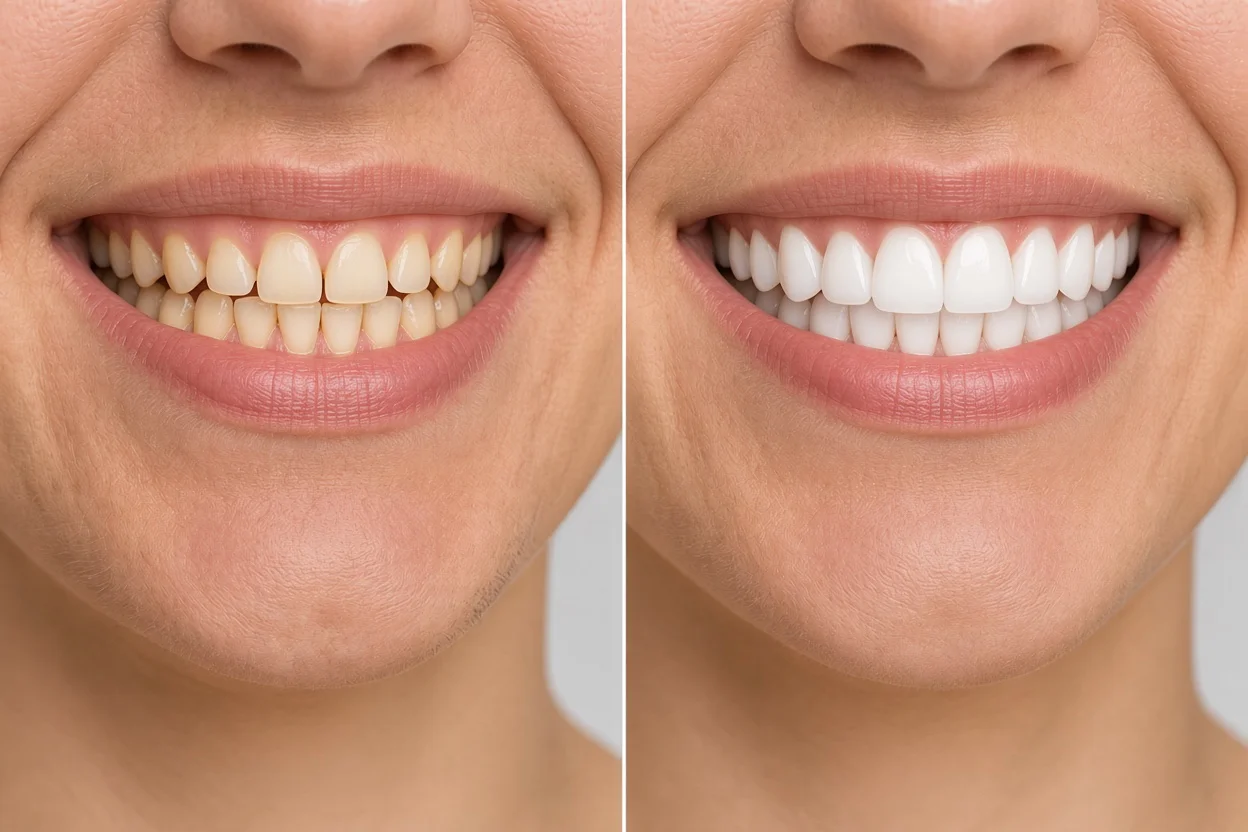
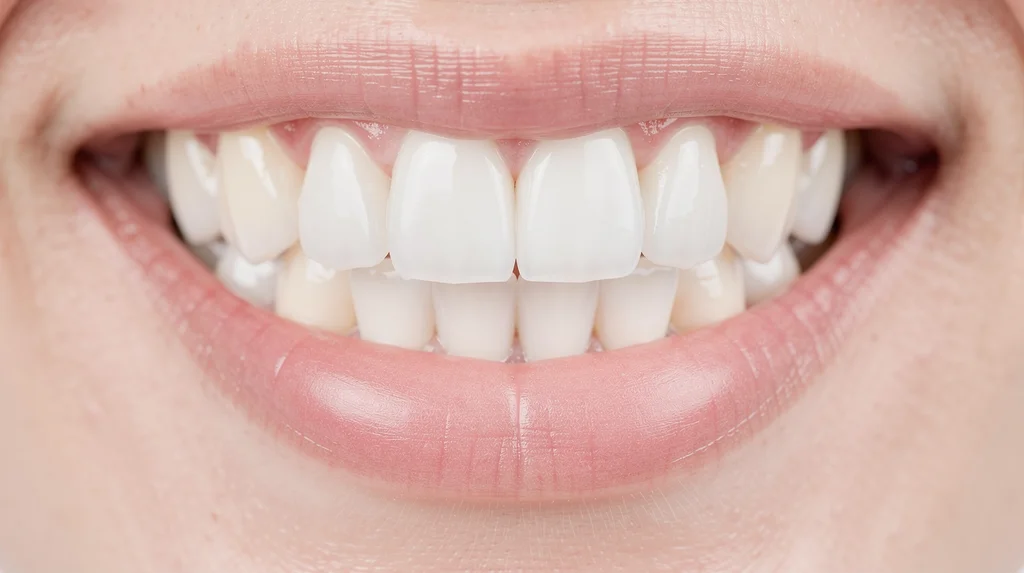
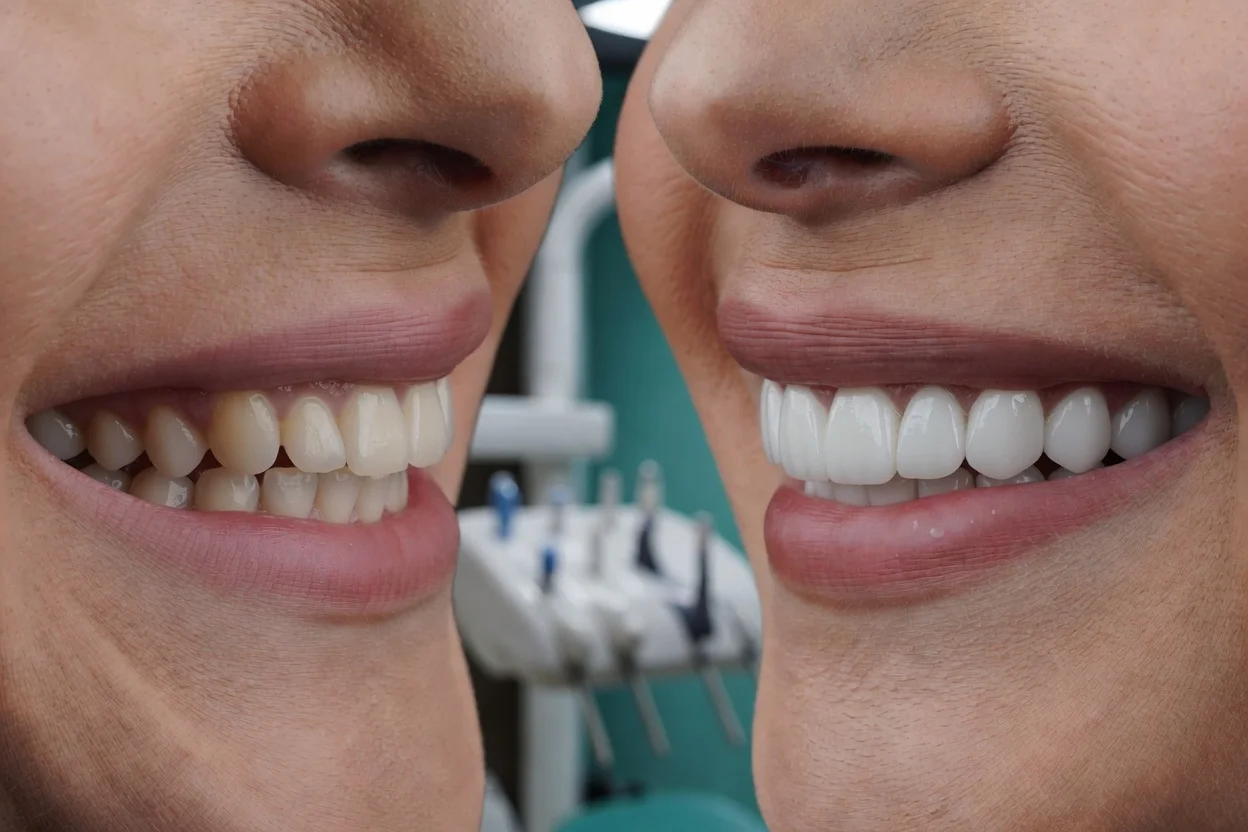
A veneer is a thin, custom-made shell that a dentist bonds to the front surface of a tooth. These are sometimes called laminate veneers. Veneers can change the color, shape, size, or length of a tooth. They are often used to cover small gaps between teeth, mask stains that do not respond to teeth whitening, or correct the look of slightly crooked or uneven teeth.
When misalignment is more significant or a tooth is severely damaged, a dentist might consider a dental crown instead. A dental crown is a cap that covers the entire visible part of a tooth above the gum line. It provides more structural support than a veneer. Zirconia crowns are one type of crown known for their strength and natural look.
Who is suitable for veneers?
Veneers are suitable for many people who wish to improve their smile. For veneers to be a good option, your teeth and gums must be healthy. This means you should not have active gum disease, also known as periodontitis, or significant tooth decay. Your dentist will check your oral hygiene habits and the health of your mouth during an examination.
Veneers work best for minor issues like small gaps or slight crookedness. If your teeth have severe misalignment or bite problems, your dentist may suggest other treatments first. People who grind or clench their teeth heavily might not be ideal candidates, as this habit can damage the veneers. Your dentist will discuss all options and help you decide if veneers are right for your situation.
How does veneer treatment work?
Examination and treatment plan
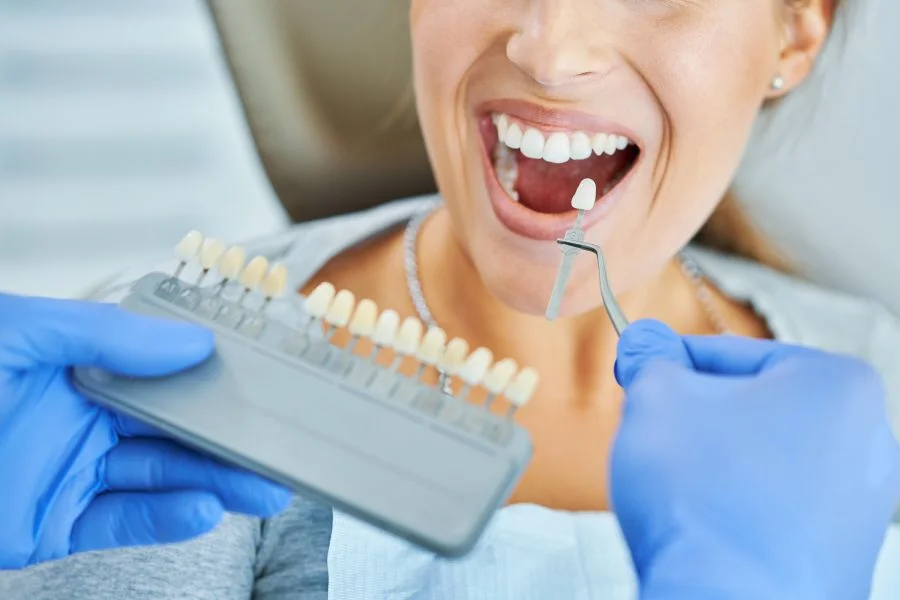
The first step involves a detailed examination of your teeth and gums. Your dentist will take X-rays and discuss your smile goals. They will explain if veneers can achieve the look you want. Together, you will create a smile design, sometimes called a Hollywood smile, to plan the shape, size, and color of your new veneers. This plan ensures your veneers fit your face and natural teeth.
The procedure
To prepare your teeth for veneers, your dentist removes a small amount of enamel from the front surface of each tooth. This step makes space for the veneer so it does not make your tooth look too bulky. You will receive local anesthesia to numb the area, ensuring comfort during this process. After preparation, the dentist takes a dental impression of your teeth. This might involve a traditional putty impression or a digital scan. This impression goes to a dental laboratory, where skilled technicians craft your custom veneers. You may wear temporary crowns on your prepared teeth while waiting for your permanent veneers.
Fitting and healing
When your custom veneers are ready, you return for the fitting appointment. Your dentist places each veneer on your tooth to check its fit and appearance. They may make small adjustments to ensure a perfect fit and bite. Once you are happy with the look, the dentist permanently bonds the veneers to your teeth using a special dental cement. The healing period after veneer placement is usually short. You might experience some mild sensitivity to hot or cold for a short time, which typically fades quickly. Your dentist will provide specific aftercare instructions.
How long do veneers last?
Veneers are designed to be a lasting solution for cosmetic concerns. Their durability depends on several factors, including your oral hygiene, eating habits, and how well you follow aftercare instructions. With proper care, veneers can maintain their appearance for a long time. Regular brushing, flossing, and check-ups with your dentist help extend the life of your veneers. Avoiding biting on very hard foods or using your teeth to open packages can also help prevent damage. If a veneer chips or separates from the tooth, it may need repair or replacement. Your dentist can offer more specific guidance based on your individual case.
What are the risks and limits of veneers?
Like any dental procedure, veneers have potential risks and limits. One limit is that veneers are a permanent change because some enamel is removed from your natural teeth. This means that if a veneer needs to be replaced in the future, another veneer or a dental crown will be necessary.
Some people may experience temporary tooth sensitivity after the procedure, especially to hot or cold temperatures. While rare, a veneer can chip or break, particularly if you bite hard objects or grind your teeth. Veneers are also not suitable for correcting severe misalignment or significant bite issues; other treatments like a dental bridge may be more appropriate for those conditions. Good aftercare and regular dental check-ups help manage these risks.
Frequently asked questions
Can veneers fix gaps between teeth?
Yes, veneers can effectively close small gaps or spaces between teeth, creating a more uniform smile. Your dentist will design the veneers to be slightly wider than your natural teeth to achieve this.
Is the veneer procedure painful?
The procedure typically involves local anesthesia to numb your teeth and gums, so you should not feel pain during the preparation and bonding steps. You might feel some pressure. Any mild discomfort or sensitivity after the anesthesia wears off is usually temporary.
Do veneers stain like natural teeth?
Veneers are generally resistant to stains from coffee, tea, and tobacco because their surface material is less porous than natural tooth enamel. However, good oral hygiene is still important to keep them looking their best.
How do I care for my veneers?
Aftercare for veneers is similar to caring for your natural teeth. Brush and floss regularly, and attend routine check-ups with your dentist. Avoid using abrasive toothpastes and be careful when biting into very hard foods.
Can I get just one veneer?
Yes, it is possible to get a single veneer to correct one specific tooth. However, your dentist will work to match the color and shape of the single veneer to your surrounding natural teeth for a seamless result.