What Are Dental Veneers?
Learn about dental veneers, thin shells that cover teeth to improve their appearance. Understand the procedure, who is suitable, and what to expect from this treatment.
What Are Dental Veneers?
Medically reviewed by Dr. Özge Çetin Gedik · Last reviewed August 2, 2026 · 5 min read
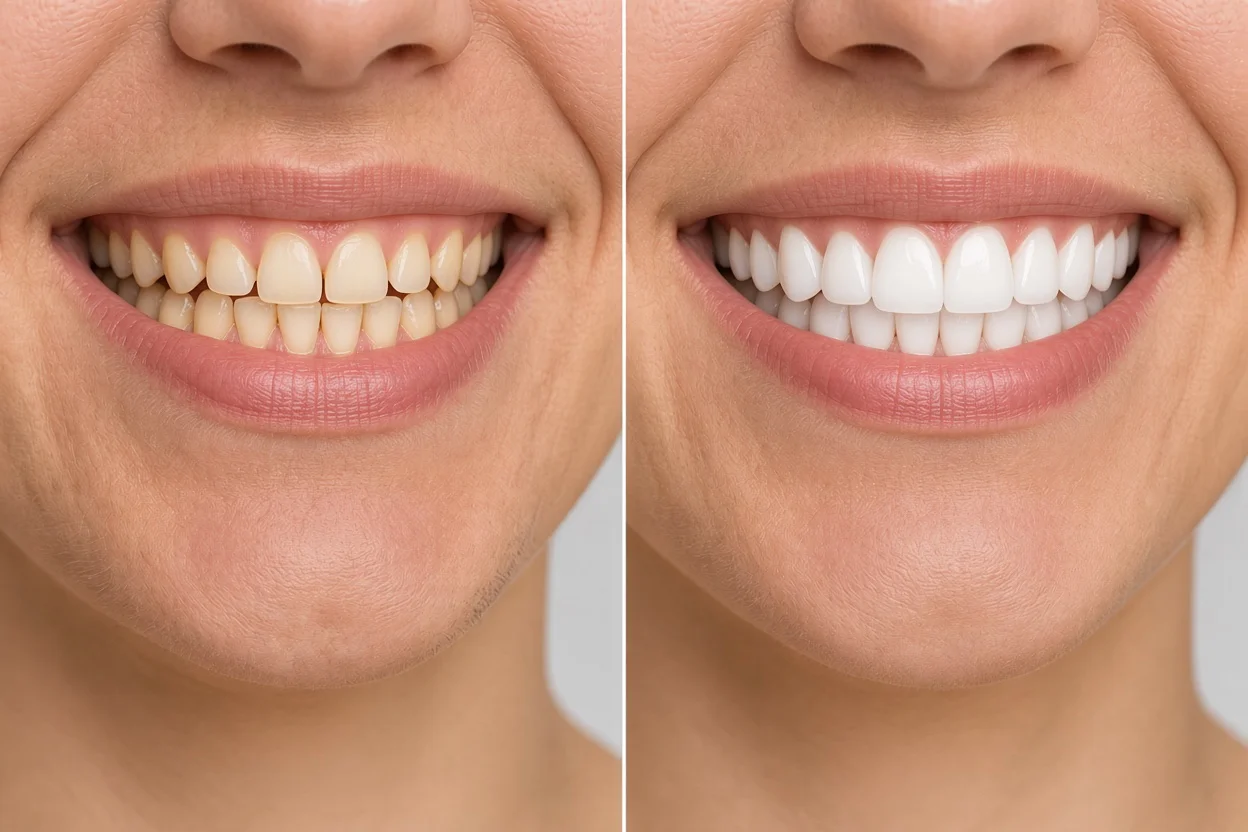
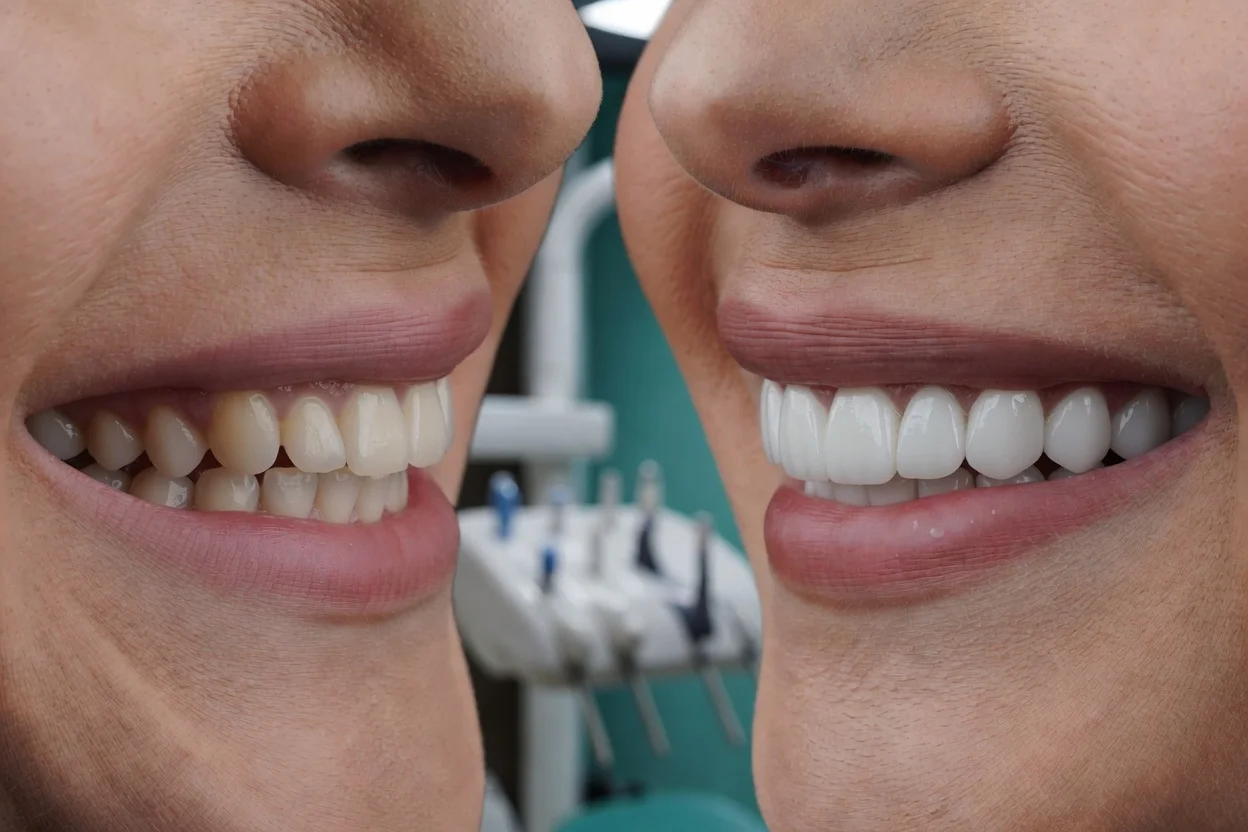
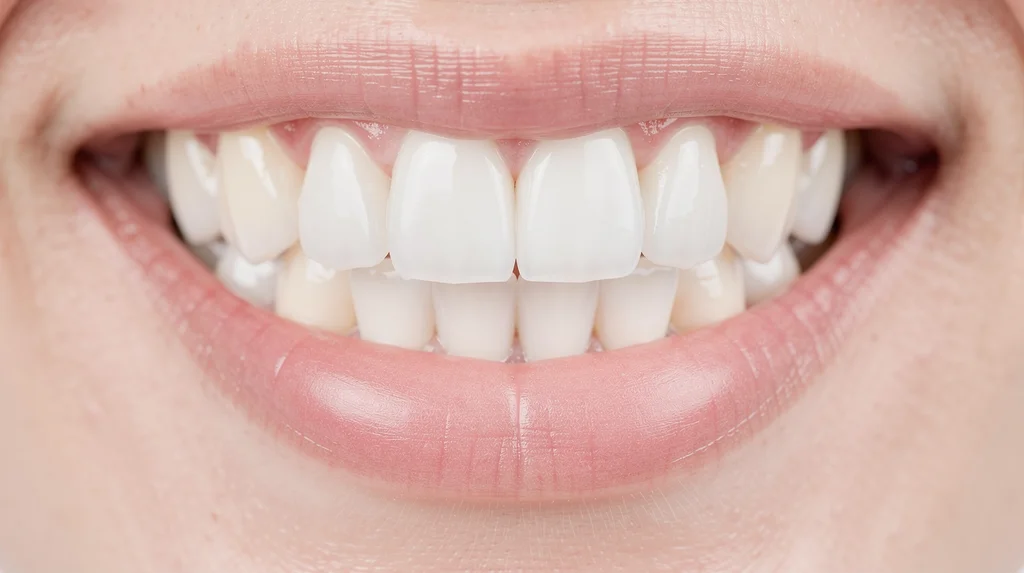
Dental veneers are thin, custom-made shells that dentists bond to the front surface of your teeth. They can change the color, shape, size, or length of a tooth. Veneers offer a way to improve how your smile looks, especially for issues like severe discoloration or minor chips.
What are dental veneers?
A dental veneer is a custom-made covering, often called a laminate veneer, that goes over the visible part of a tooth. Dentists use veneers to correct various cosmetic concerns. Unlike a dental crown, which covers the entire tooth, a veneer only covers the front surface. Other options a dentist might discuss include dental bonding, which uses a tooth-colored resin to repair teeth, or a dental crown for more significant damage.
Who is suitable for dental veneers?
Dental veneers are a good option for people who want to improve the appearance of their front teeth. To be suitable, your teeth must be generally healthy and free from significant gum disease, also known as periodontitis. You also need enough healthy tooth enamel for the veneer to bond properly. If you grind your teeth, called bruxism, a dentist might suggest a night guard to protect your veneers.
Veneers may not be the right choice if you have extensive tooth decay, a severe bite problem, or too little enamel. A dentist will check your oral health during a check-up to see if veneers are a good fit for you. They will explain all available options based on your specific needs.
How does the treatment work?
Examination and treatment plan
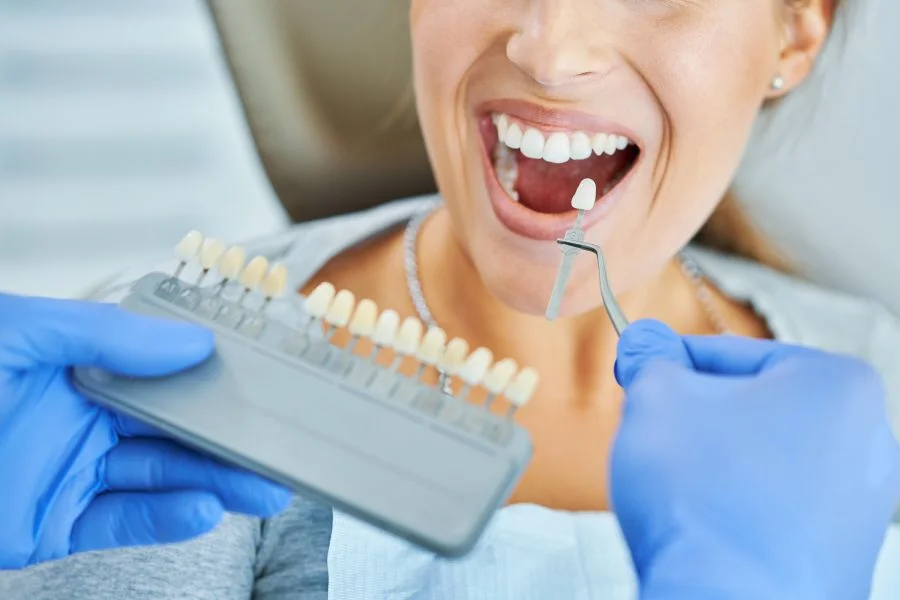
The first step involves a detailed examination of your teeth and gums. Your dentist will talk with you about your goals for your smile. This is part of a process called smile design, sometimes referred to as a "Hollywood smile" consultation. They may take X-rays and create a dental impression, which can be a traditional mold or a digital scan. This information helps your dentist plan the shape, size, and color of your new veneers to best suit your face.
The procedure
To prepare your teeth, your dentist will remove a small amount of enamel from the front surface. This step creates space for the veneer. For this, they will use local anesthesia to numb the area, ensuring you do not feel pain. If you feel anxious, sedation can be an option to help you relax. After preparation, your dentist takes a new dental impression to send to a dental laboratory, where technicians will custom-make your veneers. You might wear temporary veneers while you wait for the permanent ones.
Fitting and healing
Once your custom veneers are ready, you will return for the fitting appointment. Your dentist will temporarily place each veneer on your tooth to check its fit and color. After any adjustments, they will clean your tooth and then bond the veneer permanently using a special cement. The healing period is usually short, with most people adapting quickly to their new veneers. Some people might notice slight sensitivity to hot or cold foods for a short time after the procedure.
How long do dental veneers last?
The lifespan of dental veneers depends on many factors, including your oral hygiene habits and how well you care for them. With proper aftercare, veneers can last for many years. Regular brushing, flossing, and routine dental check-ups help maintain their condition. Avoiding biting on hard objects, such as ice or nuts, can also help protect your veneers. Your dentist can give you more specific advice on how to care for your veneers to help them last.
What are the risks and limits?
Like any dental procedure, there are some risks and limits with dental veneers. Once enamel is removed, the process is not reversible. Veneers can chip or crack, especially if you bite on very hard foods or objects. If a veneer chips, it often needs to be replaced. They do not protect the tooth from decay, so good oral hygiene is still important.
The final color of your veneers cannot be changed with teeth whitening once they are bonded. If you plan to whiten your natural teeth, it is best to do so before getting veneers. The results of veneers can also vary by patient, depending on their original tooth structure and how well they follow aftercare instructions. Your dentist will discuss these points fully during your consultation.
Frequently asked questions
Do veneers look natural?
Yes, modern dental veneers are made to match the natural appearance of your other teeth. Dentists carefully choose the color and shape to blend with your smile.
Is getting veneers painful?
No, the procedure is not usually painful. Your dentist uses local anesthesia to numb your mouth during the preparation of your teeth. You might feel some mild discomfort or swelling after the procedure, but this usually fades quickly.
Can veneers be removed?
Once bonded, veneers cannot be removed without damaging the underlying tooth. The process of getting veneers is considered permanent because a small amount of enamel is removed.
Do veneers stain?
Porcelain veneers are resistant to stains, more so than natural tooth enamel. However, good oral hygiene is still important to keep them looking their best.
How do I clean veneers?
You clean veneers just like your natural teeth. Brush twice a day with a non-abrasive toothpaste and floss daily. Regular dental check-ups are also important for their maintenance.