What is Smile Design and How Does it Work?
Learn what smile design is, how it works, and who it's for. This guide explains dental treatments like veneers and crowns, potential risks, and answers common questions.
What is Smile Design and How Does it Work?
Medically reviewed by Dr. Özge Çetin Gedik · Last reviewed September 12, 2026 · 7 min read
Smile design is a personalized plan to improve the appearance of your teeth and gums. It combines different dental treatments to create a harmonious and natural-looking smile. Your dentist works with you to choose the best treatments based on your specific needs and goals. This approach considers the shape, size, color, and alignment of your teeth.
What is Smile Design?
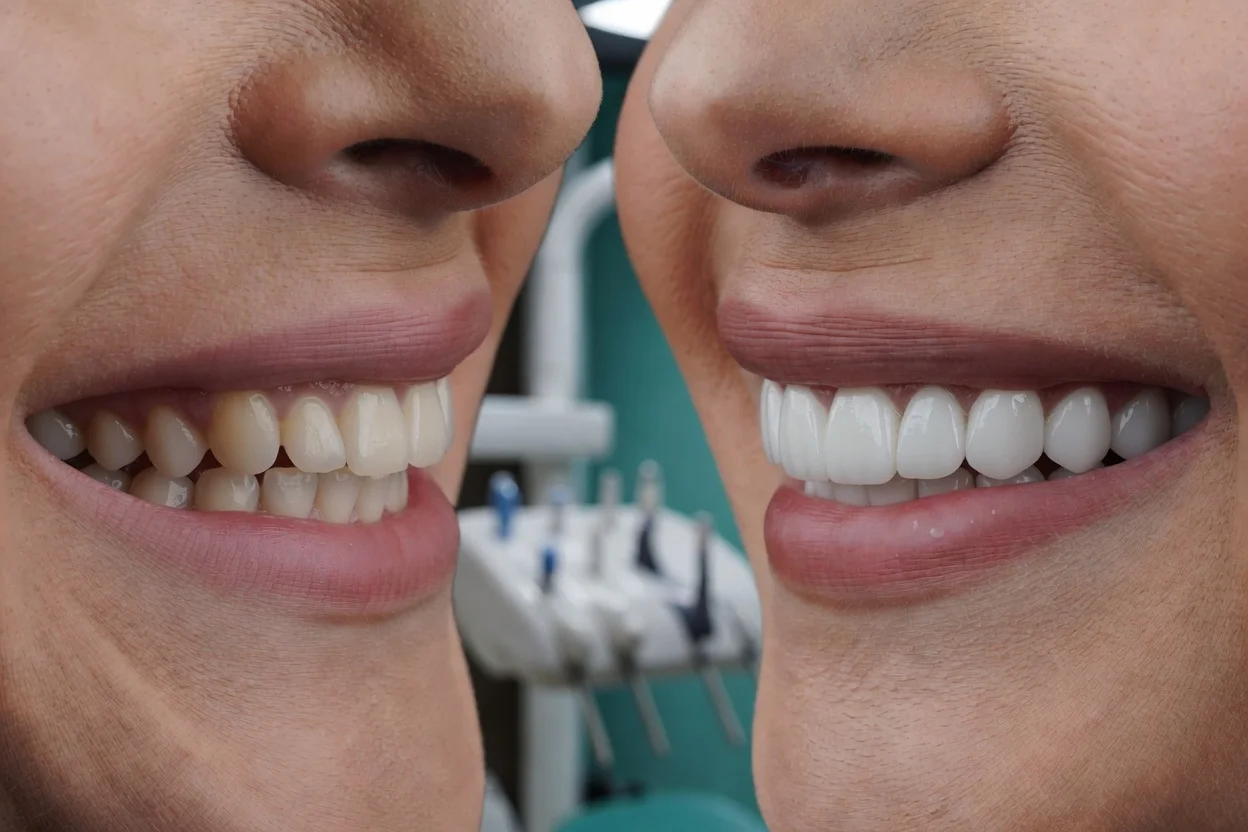
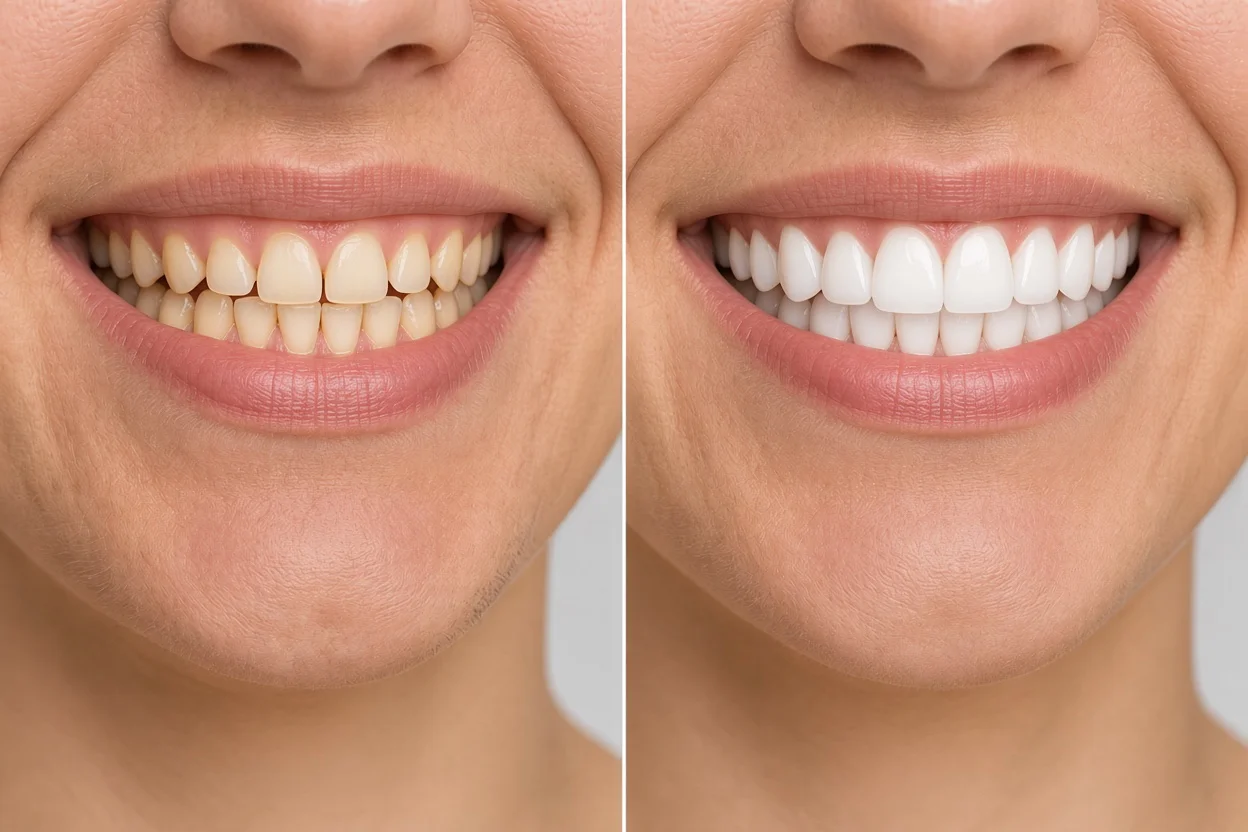
Smile design, sometimes called a "Hollywood smile," is a personalized plan that brings together various dental treatments. The goal is to improve how your teeth and gums look. This process considers many factors, such as the color of your teeth, their shape and size, and how they align in your mouth.
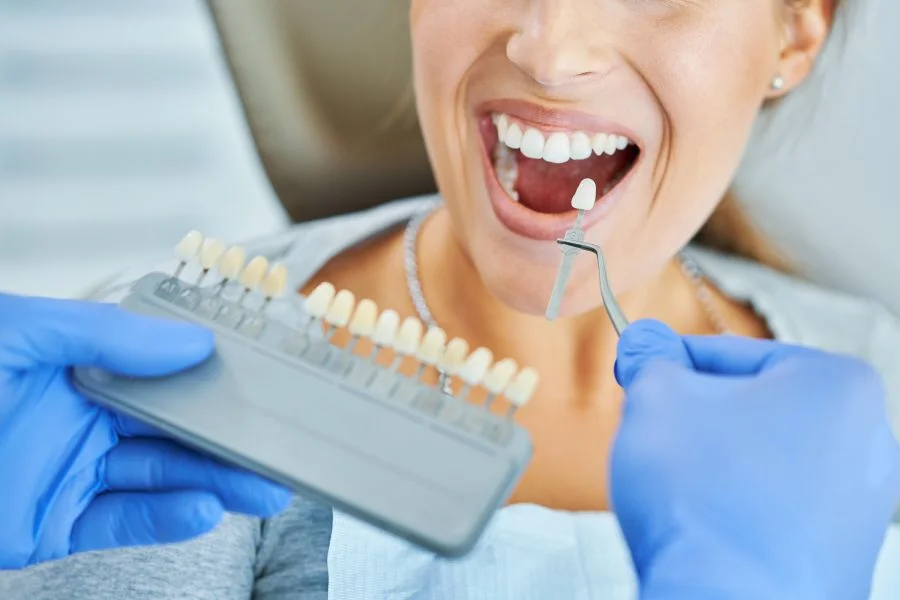
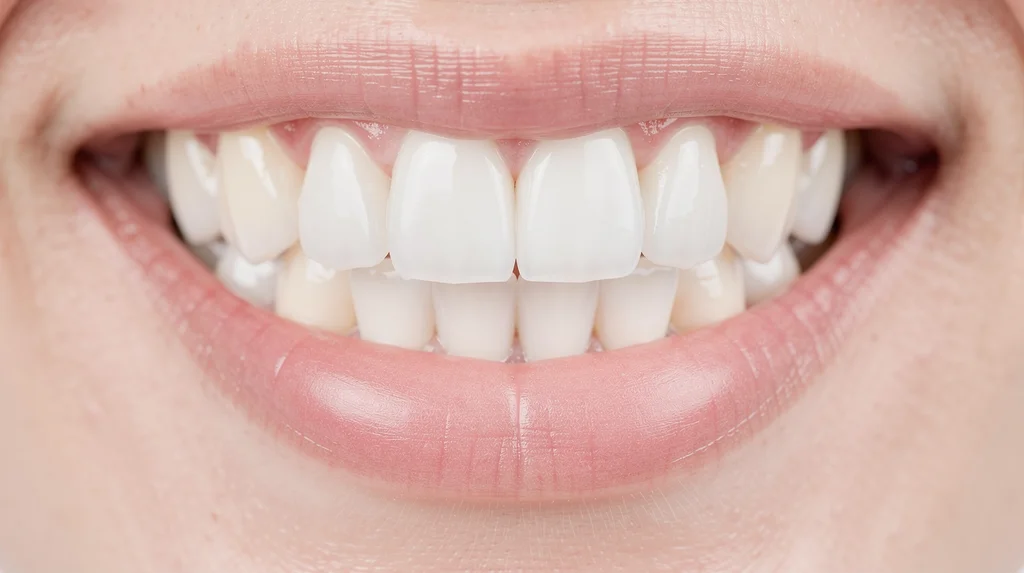
Many different treatments can be part of a smile design plan. For example, a veneer is a thin, custom-made shell that covers the front surface of a tooth. These are sometimes called laminate veneers. A dental crown is a tooth-shaped cap placed over a damaged or weakened tooth. A zirconia crown uses a very strong ceramic material. Teeth whitening brightens the natural color of your teeth.
Other treatments may also be included to support the overall plan. A dental implant is a small, screw-shaped post placed into the jawbone to replace a missing tooth root. A dental bridge replaces one or more missing teeth by connecting artificial teeth to natural teeth or implants. Dentures are removable appliances that replace multiple missing teeth or all teeth. Addressing gum disease, also known as periodontitis, is often a first step to ensure a healthy foundation. A root canal treatment removes infected pulp from inside a tooth to save it.
Who is it suitable for?
Smile design is suitable for people who want to improve how their smile looks. A healthy mouth is important for many of these treatments. This means having healthy gums and strong jawbones. Your dentist will check for any signs of gum disease or other issues during your first visit.
Smile design may not be suitable for everyone right away. If you have active gum disease or untreated tooth decay, these problems need to be fixed first. Some treatments, like dental implants, also need enough healthy jawbone. If you do not have enough bone, your dentist might suggest a bone graft, which rebuilds the jawbone. A sinus lift might be needed if there is not enough bone under the sinus floor in the upper jaw. Your dentist will discuss all options with you after a thorough examination.
How does the treatment work?
The process of smile design usually involves several steps. It begins with a careful evaluation of your current oral health and a discussion about your goals for your smile.
Examination and Treatment Plan
Your first visit includes a full check-up of your teeth and gums. Your dentist will take X-rays and may create a dental impression of your mouth. This might be done with a soft material or a digital scan. You will talk about what you like and dislike about your smile. Together, you and your dentist will create a personalized treatment plan. This plan will outline the specific treatments needed and the order they will happen.
The Procedure
Depending on your plan, procedures might include preparing your teeth for veneers or dental crowns. This often involves removing a small amount of tooth enamel. If you are getting a crown or veneer, your dentist may place a temporary crown or veneer to protect your tooth while your permanent one is made. If dental implants are part of your plan, the implant posts are placed into your jawbone during this stage. Local anesthesia will be used to numb the area, so you do not feel pain during the procedure. For longer or more complex procedures, sedation might be an option to help you relax.
Fitting and Healing
Once your permanent veneers or crowns are ready, your dentist will fit them. They make sure the color, shape, and fit are correct. For dental implants, there is a healing period after placement, where the implant fuses with the jawbone. This process is called osseointegration. After this, an abutment is attached to the implant, which connects it to the final dental crown. Your dentist will provide specific aftercare instructions for all treatments.
How long does it last?
The durability of your smile design depends on the specific treatments you receive and how well you care for your teeth. For example, veneers and dental crowns are designed to be long-lasting. However, they are not permanent and may need replacement over time. Dental implants are known for their durability and can last many years with proper care.
Good oral hygiene is very important for maintaining your smile design. Brushing twice a day, flossing daily, and attending regular check-ups can help your treatments last longer. Avoiding hard foods or habits like teeth grinding also helps protect your new smile. Your dentist can give you more specific information about the expected lifespan of each part of your treatment.
What are the risks and limits?
Like any dental treatment, smile design has some potential risks and limits. Some patients might experience temporary tooth sensitivity after receiving veneers or dental crowns. In rare cases, a veneer or crown might chip or detach and need to be replaced. For treatments like dental implants, there is a small risk of infection or the implant not fusing correctly with the bone.
The final outcome of smile design can vary by patient. Factors such as your natural tooth structure, existing oral health, and how well you follow aftercare instructions all play a role. Not every dental issue can be fully resolved with cosmetic treatments alone. For example, severe bite problems might need orthodontic treatment first. Your dentist will explain all potential risks and limitations specific to your personalized plan. You should discuss any concerns you have before starting treatment.
Frequently asked questions
How long does smile design take?
The total time for smile design varies greatly depending on the number and type of treatments included. A simple plan involving only teeth whitening might be completed in a few visits. A more complex plan that includes dental implants or multiple dental crowns can take several months, allowing for healing periods between stages. Your dentist can give you an estimated timeline after your initial check-up.
Is smile design painful?
Most smile design procedures are performed using local anesthesia to numb the treatment area, so you should not feel pain during the procedure itself. Some patients might experience mild discomfort, tenderness, or swelling after the anesthesia wears off. Your dentist can recommend ways to manage any post-procedure discomfort. For longer treatments, sedation options are available to help you feel more comfortable.
What is the difference between veneers and crowns?
A veneer is a thin shell that covers only the front surface of a tooth, mainly for cosmetic improvements like color or shape. A dental crown covers the entire visible part of a tooth. Crowns are used to restore a tooth's strength, shape, and appearance, especially when it is heavily damaged or has had a root canal treatment.
Can smile design fix all dental problems?
Smile design focuses on improving the appearance of your smile. While it can address many cosmetic concerns, it is not a substitute for necessary restorative or orthodontic treatment. For example, severe gum disease or significant tooth decay must be treated before cosmetic work begins. Your dentist will ensure your mouth is healthy before proceeding with cosmetic enhancements.
How much does smile design cost?
The cost of smile design varies widely because it is a personalized plan. The total price depends on the number and type of treatments you choose, the materials used, and the complexity of your case. For example, a plan involving multiple dental implants and zirconia crowns will cost more than one focused on teeth whitening and a few veneers. Your clinic will provide a detailed estimate after your consultation.